
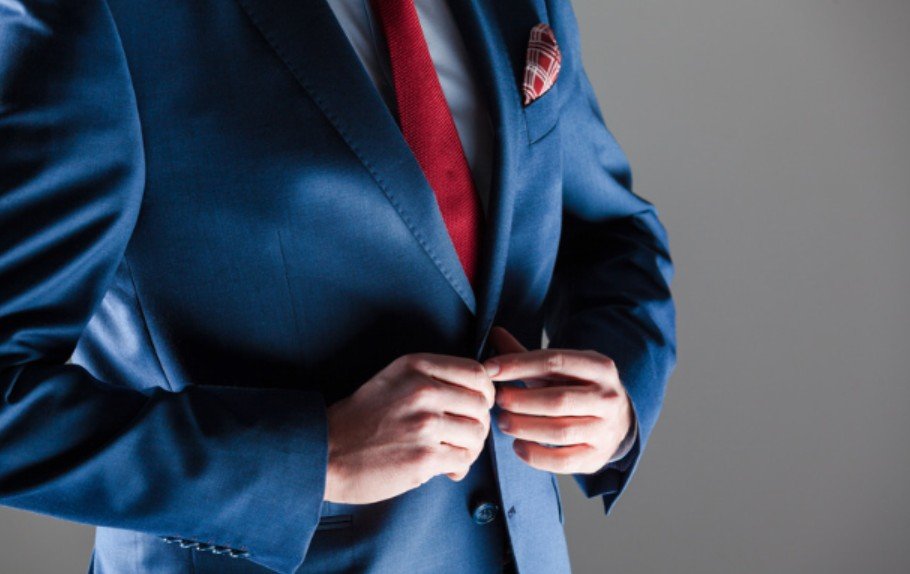

A great suit should balance your proportions, sharpen your outline, and feel comfortable when you stand, sit, and move. When I think about how to choose a suit for your body type, I start with shape rather than size. Two men may wear the same jacket size but need different shoulders, lapels, button positions, and trouser cuts.
The best method is to identify where your body carries the most width, then use tailoring to create balance. This makes shopping easier and helps prevent expensive fit mistakes.
Identify Your Body Shape First
Body shape describes the relationship between your shoulders, chest, waist, and hips. Height and muscularity also matter, but they work best as additional fit considerations.
Measure your shoulders, chest, natural waist, and hips while standing normally. These measurements reveal whether your upper body, middle, or lower body is widest.
Triangle Body Shape
A triangle build has narrower shoulders and more width around the waist or hips. Choose a single-breasted jacket with clean shoulder structure, moderate padding, and medium-width lapels. Slight waist shaping creates definition without causing button strain.
Straight or gently tapered trousers streamline the lower half. Avoid narrow lapels, soft shoulders, low-rise trousers, and jackets that end at the widest part of the hips.
Inverted Triangle Body Shape
This build has broad shoulders and a narrower waist. Look for softer shoulders, minimal padding, and enough chest room to keep the lapels lying flat. Medium or slightly wider lapels suit the scale of the upper body.
Straight or gently tapered trousers balance broad shoulders better than skinny pants. Avoid heavy shoulder construction and severe waist suppression because they can exaggerate the difference between the chest and waist.
Rectangle Body Shape
A rectangle build has similar shoulder, waist, and hip measurements. Choose a structured jacket with light shoulder support and moderate waist shaping. Peak lapels can add presence, while the button position helps define the torso. Just as choosing the right men’s haircut for square faced shape can improve facial balance, careful tailoring can create stronger visual proportions.
Avoid boxy jackets and ultra-slim cuts. One hides the body’s natural shape, while the other emphasizes straight proportions without creating balance.
Oval Body Shape
An oval build carries more width through the middle. Choose a single-breasted jacket with comfortable chest room, medium-width lapels, and enough length to cover the seat. Mid- or higher-rise trousers sit securely without cutting across the stomach.
Avoid short jackets, low-rise pants, strong horizontal patterns, excessive waist suppression, and oversized clothing that adds visual bulk.
Trapezoid Body Shape
The trapezoid shape has shoulders that are slightly broader than the waist. A lightly structured two-button jacket, moderate lapels, and clean waist shaping generally complement these balanced proportions.
The main goal is to preserve that natural balance. Excessive shoulder padding or sharply tapered trousers can make the upper body appear unnecessarily top-heavy.
Check the Suit Areas That Matter Most

Shoulder seams should end where your natural shoulders end. The jacket collar should sit cleanly against the shirt collar without leaving a visible gap.
Lapels should lie flat, and the chest should look smooth without bowing, rippling, or diagonal pulling. When buttoned, the jacket should define the waist without forming an X-shaped strain around the button.
The jacket should normally cover the seat and divide the body proportionally. A very short jacket can make the torso look wider and the legs unusually long.
Trousers need enough rise to sit securely, room through the seat and thighs, and a clean line toward the shoes. Avoid excess fabric pooling around the ankles.
Adjust the Suit for Height and Muscularity
Shorter men often benefit from moderate lapels, limited color contrast, higher-rise trousers, and a clean trouser break. These details can lengthen the overall appearance without requiring an excessively short jacket.
Tall, lean men can wear wider lapels, textured fabrics, checks, trouser cuffs, and slightly fuller cuts. These features add visual substance and prevent the frame from appearing overly narrow.
Muscular men need sufficient room in the chest, upper arms, thighs, and seat. An athletic-fit label may provide a useful starting point, but the actual drape matters more than the name of the cut. A tailor can reduce the waist more easily than add room to tight shoulders or thighs.
Choose Fabric, Color, and Pattern Strategically
Midweight wool is a dependable choice because it drapes cleanly and suits many occasions. Very thin fabric may cling to the body, while heavy cloth can add unnecessary volume.
Dark solid colors and fine vertical patterns create a streamlined effect. Large checks and strong horizontal patterns add visual width.
Leaner men can experiment with lighter colors, visible textures, checks, and more substantial fabrics. Men seeking a sleeker outline may prefer darker shades, subtle patterns, and low-contrast combinations.
Know Which Alterations Are Practical
Buy the shoulders, chest balance, jacket length, and trouser rise correctly from the beginning. These areas are difficult or expensive to reconstruct.
Sleeve length, trouser hems, waistband adjustments, moderate jacket waist suppression, and gentle trouser tapering are generally easier to complete.
Never buy a badly fitting suit because a salesperson says a tailor can fix everything. Major changes to the shoulders, armholes, chest, or overall jacket length may cost more than choosing a better-fitting suit initially.
Use a Fitting-Room Checklist
Button the jacket and inspect it from the front, side, and back. Look for collar gaps, shoulder dents, lapel bowing, button strain, or fabric pooling. Raise your arms, sit down, and walk naturally to test comfort.
Check the trousers at the waist, seat, thighs, and hem. Sit in them to confirm that the rise and waistband remain comfortable.
Take photographs from several angles because fit problems are often easier to notice in an image than in a mirror. A good suit should already look balanced before alterations begin.
Frequently Asked Questions
1. What is the easiest way to learn how to choose a suit for your body type?
Compare your shoulder, chest, waist, and hip measurements. Identify the widest area and choose jacket and trouser details that create balance rather than adding more width to that section.
2. Which suit style makes a man look slimmer?
A fitted single-breasted jacket, medium-width lapels, clean vertical lines, mid-rise trousers, and dark or low-contrast colors can create a leaner appearance.
3. Should broad-shouldered men wear padded jackets?
Minimal padding is usually better. Broad shoulders already provide natural structure, so excessive padding may make the upper body look disproportionate.
4. Can a tailor fix any suit?
No. Sleeve length, trouser hems, and moderate waist adjustments are common, but major shoulder, armhole, chest, and jacket-length changes can be expensive or impractical.
Final Takeaways
When I select a suit, I focus on proportion before trends. The jacket should support the shoulders, lie smoothly across the chest, define the torso without strain, and work with trousers that balance the complete silhouette.
The right choice is not about hiding your build or following rigid rules. It is about using structure, fabric, cut, and tailoring to make your proportions look intentional. A balanced suit will usually appear sharper than an expensive one chosen only by brand, size, or trend.