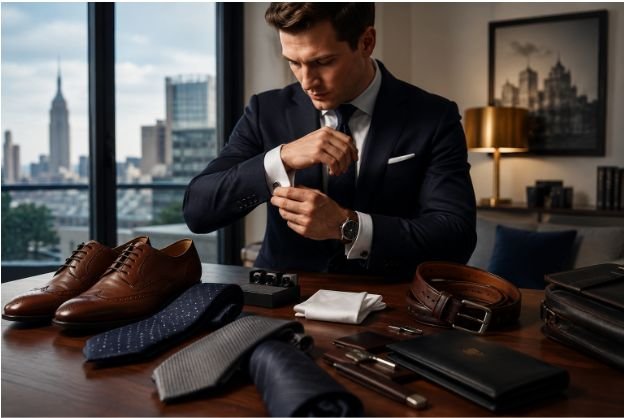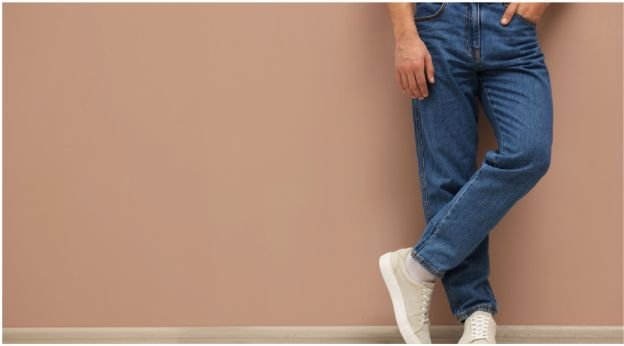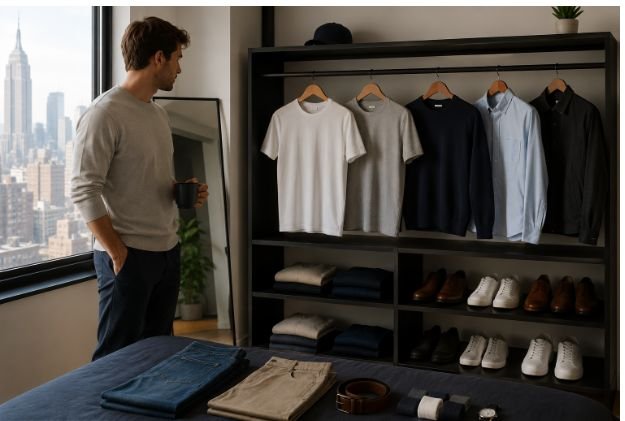


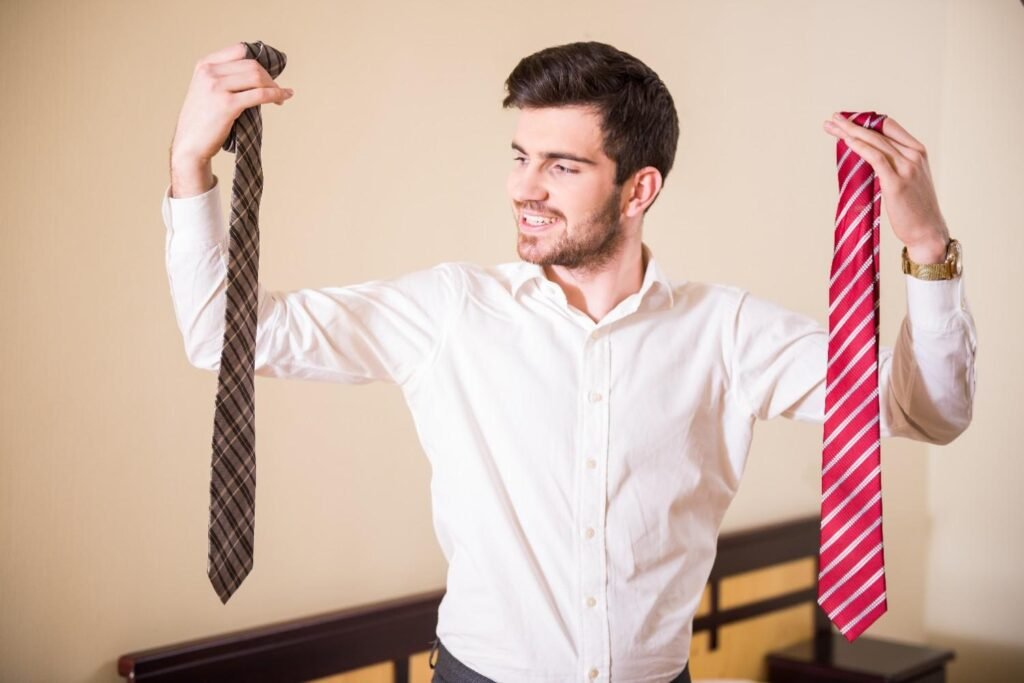


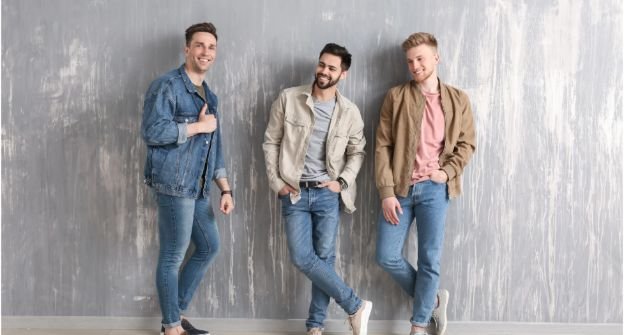
A shirt can look excellent on the hanger and completely wrong once I put it on. I learned that the problem was rarely my body. It was usually the garment’s shape, length, structure, or visual weight.
Understanding how to dress for your body type as a man is not about hiding yourself or chasing an “ideal” frame. It means using clothes to create a balanced silhouette while keeping movement comfortable. The right outfit should follow your proportions without squeezing, sagging, or adding bulk in the wrong places.
Start With Proportion, Not Size Labels
Body type and clothing size are different. Two men who both wear a large shirt may have different shoulder widths, waist measurements, torso lengths, and postures.
Research on apparel sizing has found that conventional size categories often fail to accommodate variations across body measurements. That supports a lesson I have learned through trial and error: the number on the tag matters less than how the garment sits on your actual frame.
How to Identify Your Male Body Shape
Stand naturally in front of a mirror while wearing a fitted T-shirt and straight-leg pants. Do not flex, pull in your stomach, or push your shoulders back.
Compare three areas:
- The widest points of your shoulders
- The circumference and visible width of your waist
- The widest area around your hips
Your proportions will usually resemble one of five broad profiles:
- Rectangle: shoulders, waist, and hips appear similar in width.
- Triangle: the waist or hips appear wider than the shoulders.
- Inverted triangle: shoulders are much wider than the waist and hips.
- Oval: the torso appears fuller through the center.
- Trapezoid: shoulders are moderately broader than a naturally tapered waist.
These categories are styling references, not scientific diagnoses. Your body may sit between two shapes.
The Three-Point Mirror Test
My fastest test uses shoulders, waist, and trouser width. I put on a plain shirt, an unstructured jacket, and straight trousers.
I then ask three questions: Do the jacket shoulders extend too far? Does the shirt pull or balloon at the waist? Do the pants look too narrow or too heavy beside my torso?
This method reveals outfit imbalance faster than focusing on weight or clothing size.
Summary Table: Quick Cheat Sheet
| Body type | Styling goal | Best starting piece | Useful fabrics | Usually avoid |
| Rectangle | Add upper-body dimension | Structured overshirt | Denim, tweed, textured knits | Fully boxy outfits |
| Triangle | Broaden shoulders visually | Single-breasted blazer | Medium-weight cotton, wool blends | Hip-hugging skinny pants |
| Inverted triangle | Balance the lower body | Straight-leg trousers | Soft knits, cotton twill | Extra shoulder padding |
| Oval | Create a clean vertical line | Open jacket or overshirt | Lightweight wool, linen blends | Tight or oversized clothing |
| Trapezoid | Preserve natural balance | Tailored button-down | Cotton, wool, linen | Shapeless oversized layers |
How to Dress a Rectangle Body Shape
A rectangle frame has relatively similar shoulder, waist, and hip widths. When considering how to dress for your body type as a man with this build, aim to create depth across the upper torso and subtle definition at the waist.
Structured overshirts, field jackets, and blazers with light shoulder construction work well. Layering a jacket over a crew-neck shirt also creates more dimension.
Use chest pockets, textured knits, checks, and moderate horizontal details above the waist. Choose pants with a clean taper, but avoid extremely skinny cuts.
A completely oversized outfit can make a rectangle shape look flat. I prefer one structured layer combined with simpler trousers. The contrast creates shape without looking artificial.
How to Dress a Triangle Body Shape

A triangle build carries more visual width around the waist or hips than the shoulders. The goal is not to conceal the middle. It is to strengthen the visual line across the shoulders.
Single-breasted blazers, structured coats, and jackets with defined lapels help create that balance. Crew-neck shirts can also give the upper chest a broader appearance.
Keep the lower half clean and understated. Dark straight-leg or gently tapered trousers work better than tight jeans, which can emphasize the contrast between the hips and legs.
Avoid short tops that end at the widest point of your stomach. A shirt or jacket should skim the torso and finish cleanly without clinging.
How to Dress an Inverted Triangle Body Shape
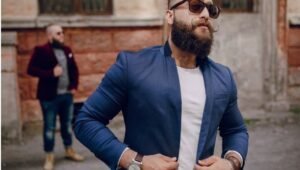
An inverted triangle shape features broad shoulders and a narrower waist. Athletic men often have this structure, although muscularity is not required.
Learning how to dress for your body type as a man with broad shoulders means resisting the urge to make every item ultra-slim. Tight shirts and skinny pants can exaggerate the difference between the upper and lower body.
Choose shirts that follow the chest without stretching across it. V-necks and open collars can break up a wide upper torso. Avoid heavy shoulder padding because your frame already provides structure.
Straight-leg pants, pleated trousers, textured chinos, and relaxed tapers add useful visual weight below the waist. Substantial shoes, including boots or rounded-toe footwear, can also anchor the outfit.
How to Dress an Oval Body Shape
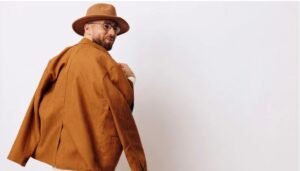
An oval frame appears fuller through the center, often with softer shoulder definition. The best approach creates an uninterrupted vertical line while maintaining enough room for movement.
Wear straight-cut trousers with a medium or higher rise. Low-rise pants can sit beneath the stomach and disturb the shirt’s drape.
Open jackets, overshirts, and single-breasted coats form vertical lines along the torso. Tonal outfits using navy, charcoal, olive, or brown can also reduce sharp visual breaks.
Do not size up excessively. Oversized clothing adds more fabric and may increase apparent volume. Tight clothing creates pulling lines. A better fit skims the torso and falls smoothly from the shoulders.
Some visual-perception research suggests that stripe direction, spacing, garment fit, and the wearer’s existing shape interact in complex ways. Vertical stripes are therefore useful, but they are not a universal slimming trick. Fit and scale still matter.
How to Dress a Trapezoid Body Shape
The trapezoid has shoulders that are moderately wider than the waist and hips. Many ready-to-wear garments are designed around a similar proportion, so finding workable clothing may be easier.
The main objective is to preserve balance. Tailored button-downs, polos, straight chinos, and single-breasted suits usually complement this frame.
Slim fits may work, but they should not restrict the chest, thighs, or seat. Bold colors and patterns are also easier to wear because the silhouette already looks balanced.
Avoid covering your shape with extremely long or oversized pieces. A small amount of tailoring often produces a better result than changing the entire wardrobe.
Fit Rules That Matter for Every Male Body Type
Knowing how to dress for your body type as a man becomes easier once you stop treating body-shape advice as a fixed rulebook. Proportion guides the decision, but fit determines whether the outfit succeeds.
Clothing influences how people perceive appearance, status, personality, and social identity. That makes fit more than a minor technical detail. It affects the complete impression an outfit creates.
Check the Shoulder Fit First
Shoulder seams should finish near the edge of your natural shoulders. A seam that falls too far down makes the garment appear oversized. A seam sitting too far inward can cause pulling across the upper body.
Jacket shoulders are expensive to alter. Prioritize them before sleeve length or waist suppression.
Balance Your Top and Bottom Halves
My most useful rule is simple: when one half of the body has strong visual weight, avoid making the other half extremely narrow.
Broad jackets pair better with straight or relaxed trousers than painted-on jeans. Fuller legs often look better with an upper layer that provides shoulder definition.
Balance does not require identical widths. It requires a transition that looks intentional.
Read Fabric Labels Rather Than Marketing Terms
Heavy fabrics hold shape and add structure. Lightweight fabrics usually drape closer to the body. Neither option is automatically flattering.
Rectangle frames may benefit from denim, tweed, or textured knits. Oval shapes often suit lighter materials that fall cleanly without stiffness. Athletic bodies can use softer fabrics that move around the chest and shoulders.
In the United States, most textile garments must disclose their fiber composition on the label. Check the actual percentages rather than trusting vague descriptions such as “premium feel” or “natural touch.”
Frequently Asked Questions
1. How do I know which male body type I have?
Compare your shoulder, waist, and hip widths in a mirror or measure them with a flexible tape.
2. Can a man have more than one body type?
Yes. Many men sit between two shapes, so choose clothes based on your most noticeable proportions.
3. How should a short man dress for his body shape?
Use correct lengths, moderate rises, clean vertical lines, and low-contrast combinations rather than oversized garments.
4. Does losing weight change how to dress for your body type as a man?
It can change your proportions, but fit, shoulder structure, rise, garment length, and balance will still matter.
Your Body Is Not the Problem—Your Fit Might Be
I dress better when I stop judging my frame and start judging the garment. A body-type label gives me a starting point, but the mirror, movement, and overall balance make the final decision.
Choose one complete outfit and run the three-point test. Check the shoulders, waist, and trouser width. Change only the weakest piece. That single adjustment will usually improve your appearance more than buying an entirely new wardrobe.
Once the fit feels right, use how to find your personal style as a man as the next step. Body shape helps you choose proportions. Personal style turns those proportions into clothing that feels unmistakably yours.