

A strong wardrobe should make mornings easier, not create another daily debate. When men ask me how to find your personal style as a man, I begin with one rule: clothes must support your actual life before expressing your taste.
Personal style is not a label such as “classic,” “minimalist,” or “streetwear.” It is a repeatable system of fit, color, texture, and formality. The goal is to look intentional without needing an hour to get dressed.
1. Start With the Life You Actually Live
Audit a Normal Week
List how you spend seven ordinary days. Include work, commuting, errands, exercise, dates, social plans, and formal events. Your wardrobe should serve the situations that occupy most of your time.
A man may admire rugged workwear but spend five days in a business-casual office. Another may collect formal tailoring while working remotely in a hot climate. Both wardrobes can look impressive online yet remain impractical.
I use a simple 80/20 balance. Let 80 percent of your clothes support your current routine. Reserve the remaining 20 percent for special occasions, experimentation, and aspirational pieces.
Choose Three Style Words
Choose three words that describe your ideal appearance. Examples include “relaxed, clean, rugged” and “sharp, modern, understated.”
Use one word for formality, one for mood, and one for personality. When considering a purchase, ask whether the item supports at least two words.
This turns how to find your personal style as a man into a practical decision process rather than an abstract identity exercise.
2. Study What You Already Wear

Pull out the clothes you choose when you want comfort and confidence. Ignore their brands and prices. Look for repeated features, such as straight trousers, open collars, dark colors, soft fabrics, or short jackets.
Photograph five outfits you genuinely enjoy wearing. Study their silhouettes, contrast levels, lengths, and proportions.
You may think you love a navy overshirt because of its color. Its shorter length may be the real reason it balances your body. Finding that cause lets you repeat the successful result without buying duplicates.
Also note the clothes you constantly adjust. A shirt that rides up, restrictive trousers, or painful shoes will rarely become part of your authentic style.
3. Build a Useful Inspiration Library
Find Your Style Twins
Save outfits that produce an immediate positive reaction. Pinterest, magazines, film stills, social media, and street photography can all train your eye.
Prioritize men with a similar build, height, coloring, climate, or lifestyle. A six-foot-four model wearing oversized tailoring may offer little practical guidance to a shorter man seeking office clothes.
Primer, Style Girlfriend, and GQ each emphasize inspiration, self-knowledge, experimentation, and learning through real outfits rather than following rigid rules.
Copy the Structure, Not the Costume
Break each saved outfit into a formula.
A reference image might become “textured short jacket, plain knit, high-rise trousers, and low-profile shoes.” You can recreate that relationship using clothes suited to your body, climate, and budget.
This step matters when learning how to find your personal style as a man without becoming a copy of an influencer or celebrity.
4. Master Fit Before Following Trends
Fit concerns more than whether clothing feels tight or loose. It includes where garments end and how their shapes relate to your body.
Check shoulder seams, sleeve length, trouser rise, trouser break, and jacket length. Photograph outfits from the front, side, and back. A mirror can hide issues that become obvious in a photograph.
Use a tailor for manageable corrections such as trouser hems, sleeve lengths, and waist adjustments. Avoid buying garments that require major shoulder or structural reconstruction. In-person fittings remain especially valuable for tailored clothing.
Record the measurements of your best-fitting clothes. Those numbers provide a better shopping reference than unreliable size labels.
Fit remains one of the fastest visible improvements in how to find your personal style as a man because it makes ordinary clothes appear deliberate.
5. Build a Flexible Wardrobe Foundation
Start With Versatile Essentials
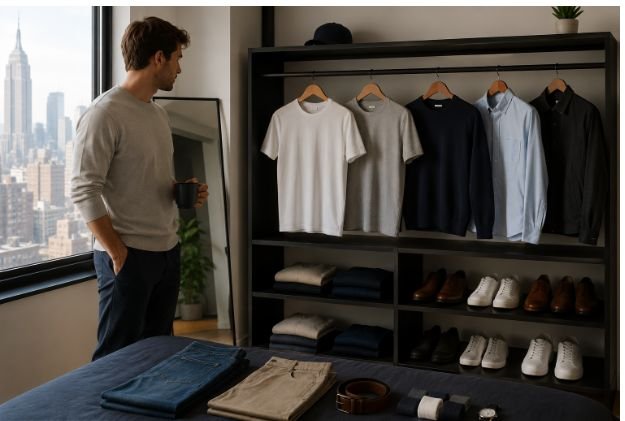
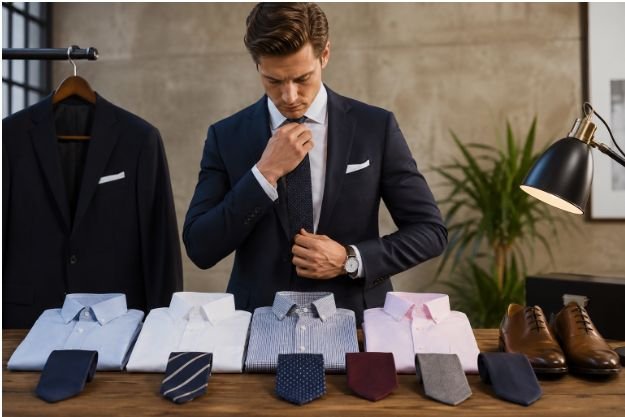
Build your foundation around navy, charcoal, olive, brown, cream, white, and black. Add one or two accent colors that complement your complexion and preferences.
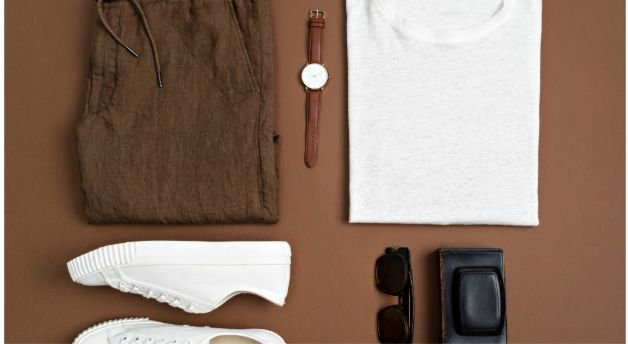
Your essentials should reflect your routine. A useful modern wardrobe may contain:
- Well-cut plain T-shirts
- An Oxford cloth button-down shirt
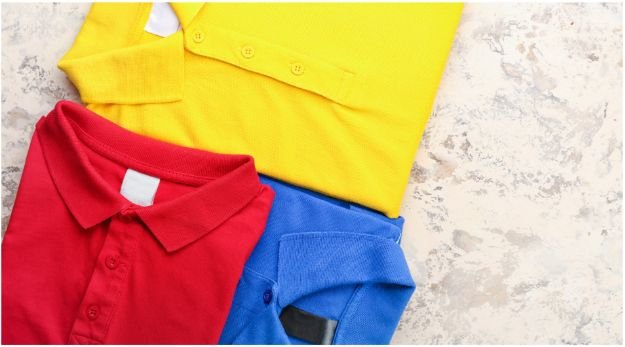
- A knit polo
- Dark-wash denim
- Chinos and tailored trousers
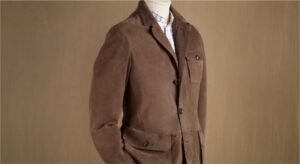
- An overshirt or casual jacket
- An unstructured blazer
- Clean sneakers, loafers, and boots
Current smart-casual guidance continues to favor dark denim, chinos, Oxford shirts, simple knitwear, unstructured jackets, loafers, Derby shoes, Chelsea boots, and restrained sneakers.
Do not buy every essential at once. Fill the most frequent gaps in your weekly routine first.
Create a Personal Uniform
A uniform is a dependable formula, not one outfit worn repeatedly.
I express the idea as straight trousers, a clean base layer, one textured outer layer, and simple footwear. The fabrics and colors can change while the proportions remain familiar. This approach also aligns with how to dress for your body type as a man, as choosing balanced proportions and well-fitting pieces creates a flattering silhouette regardless of changing trends or seasonal fabrics.
A good uniform reduces morning decisions and shows you which pieces deserve greater investment. It also makes how to find your personal style as a man easier to apply consistently.
6. Use the Three-Outfit Stress Test

I use one test to prevent attractive but isolated purchases. Before buying an item, create three complete outfits using clothes you already own.
Test the item in:
- An ordinary weekday outfit
- A social or weekend look
- A slightly elevated combination
Leave it behind when it only works in one imagined outfit. Consider buying it when it improves all three combinations.
This method goes beyond the common “matches three pieces” rule. One shirt may match three trousers yet produce the same outfit every time. Testing complete looks reveals whether a purchase adds genuine range.
The test also limits impulse buying, which matters when deciding how to find your personal style as a man on a realistic budget.
7. Translate Your Style Into Business Casual
Suppose your three style words are “modern, relaxed, sharp,” and you work in a flexible US office.
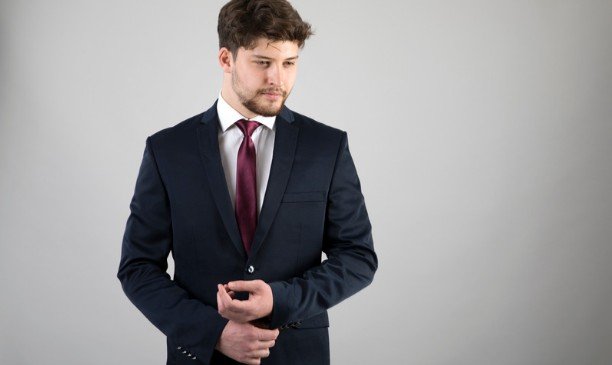
Start with charcoal trousers, a navy knit polo, and dark brown loafers. Add an unstructured blazer for meetings. Replace the blazer with a fine-gauge merino crewneck on quieter days. Wear clean dark-wash denim only when your workplace permits it.
The outfit remains personal because its palette and silhouette stay consistent. It remains professional because every casual element has structure.
Minimalist leather sneakers may work in technology or creative offices. Leather loafers, Derby shoes, and Chelsea boots provide a safer choice in more traditional workplaces.
Research has associated formal clothing with more abstract cognitive processing. However, clothing psychology does not guarantee the same response for every person. The original “enclothed cognition” research also prompted replication debate.
The useful lesson is modest: clothing may affect how you interpret yourself and a situation. Dress for the task, environment, and authority level you need.
8. Add a Signature Without Forcing It

Choose one recognizable detail after your foundation works. Consider a silver ring, textured watch strap, vintage jacket, distinct glasses, favorite cap, or signature scent.
Repetition makes a signature memorable. Excess makes it resemble a costume.
You can also combine different aesthetics. Pair tailored trousers with minimalist sneakers, rugged boots with fine knitwear, or an Oxford shirt with a chore jacket.
Contrast looks intentional when the pieces share a consistent silhouette, color palette, or level of refinement. This is where how to find your personal style as a man becomes creative rather than purely practical.
9. Review, Edit, and Keep Evolving
Review your outfit photographs each month. Mark what you repeated, what felt uncomfortable, and what required constant adjustment.
Remove clothes that no longer fit your body, routine, or three style words. Do not preserve an expensive mistake as permanent guilt.
GQ argues that real style develops through dressing, making mistakes, and revising your personal codes. That is the honest answer to how to find your personal style as a man. You build it through repeated choices rather than discovering it fully formed.
FAQs
1. How can a man find his style without buying new clothes?
Photograph existing outfits and identify the fits, colors, and combinations you already repeat.
2. How long does it take to develop a personal style?
You can establish a direction within weeks, but a confident wardrobe usually evolves across several seasons.
3. What if I like several men’s fashion aesthetics?
Combine their shared colors, silhouettes, or textures instead of forcing yourself into one style label.
4. What is the easiest way to learn how to find your personal style as a man?
Choose three style words, create one reliable uniform, and apply the three-outfit test before every purchase.
Your Closet Called—It Wants a Point of View
I would not rebuild everything at once. Wear one reliable outfit this week, photograph it, and change only one element the next time.
Keep the version that feels most natural and useful. Repeat that process across work, weekends, and social plans.
That is how to find your personal style as a man without wasting money or chasing every trend. Your wardrobe will stop looking like random purchases and start expressing a clear point of view.