


I have learned that an expensive suit can still look disappointing when the fit is wrong, while a modest off-the-rack suit can look refined after a few adjustments. Understanding essential suit alterations every man should know helps me recognise fixable problems, communicate clearly with a tailor, and avoid paying for work that may damage the garment’s balance.
Good tailoring creates clean lines and comfortable movement rather than making a suit unnaturally tight. Before approving any work, check the shoulders, chest, jacket length, and trouser rise. These structural areas are difficult to rebuild and should fit reasonably well when purchased.
Check the Suit’s Foundation First
Shoulders, Chest, and Length
The jacket shoulder should end where the natural shoulder ends. Dents, divots, or fabric extending beyond the arm suggest poor fit. Shoulder reconstruction is complex and rarely cost-effective.
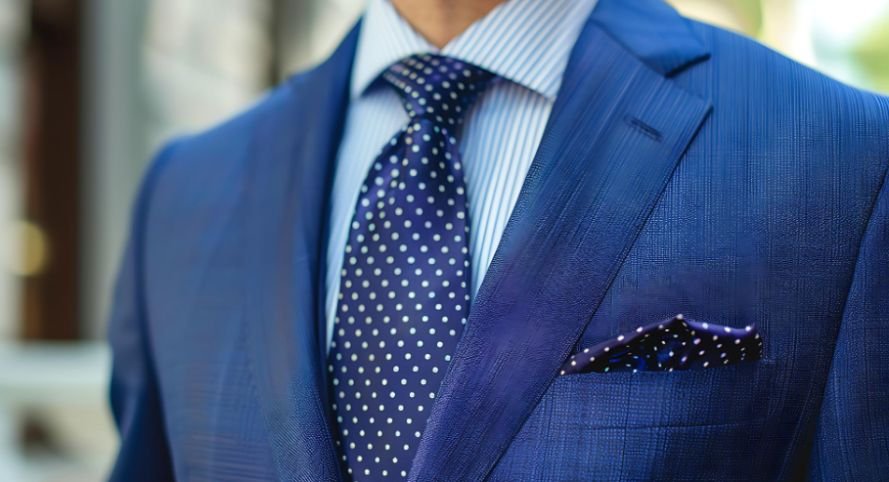
The lapels should lie flat, reflecting the tailored structure seen throughout the history of lapels, and the button should close without a deep X-shaped pull. A little excess room can be removed, but a severely tight chest is difficult to correct. Major jacket shortening can also disturb the pockets and proportions. Choose trousers with a comfortable rise because significant rise changes are impractical.
Suit Alterations That Deliver the Biggest Improvement

Adjust the Jacket Sleeves
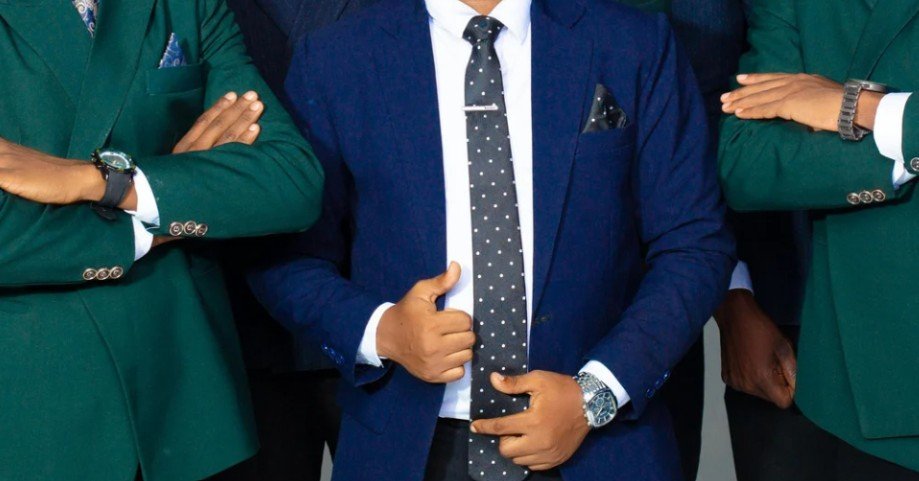
Jacket sleeves should reveal a small amount of shirt cuff when the arms rest naturally. Sleeves covering the hands make the suit appear oversized.
Tell the tailor, “Please adjust the sleeves so a little shirt cuff remains visible.” This is usually straightforward with decorative cuff buttons. Functional buttonholes may require adjustment from the shoulder.
Shape the Jacket Waist
A jacket should follow the torso without clinging. Excess fabric creates a boxy shape, while excessive suppression causes pulling around the button.
Ask the tailor to shape the waist while preserving comfortable movement. This moderate alteration often creates one of the most noticeable improvements.
Correct a Collar Gap
A collar gap occurs when the jacket collar stands away from the shirt. Posture, jacket balance, or what causes sloped shoulders may contribute to the problem.
Ask, “Can the collar gap be corrected without changing the shoulder line?” The cause should be diagnosed first because the wrong adjustment can create new wrinkles.
Hem the Trousers Properly
Fabric pooling over the shoes appears untidy, while an extremely short hem can look unbalanced. Wear the intended shoes and request a slight break for a versatile finish. A no-break hem creates a sharper look but needs precise measurement.
Adjust the Trouser Waist and Seat
The waistband should stay in place without a belt but remain comfortable when sitting. It can usually be taken in or let out slightly when enough seam allowance is available.
Wrinkles beneath the seat suggest excess cloth, while horizontal pulling suggests tightness. Ask the tailor to clean up the seat without restricting movement. Large waist changes may shift the pockets.
Taper the Trouser Legs
Tapering removes excess width through the thigh, knee, or ankle. It can modernise wide trousers, but the fabric should not cling to the calves or twist at the seams.
Exploring ways to improve personal style without following every trend can help you choose a balanced trouser shape that suits your build instead of copying an extreme silhouette.
Have both legs pinned while standing naturally. The finished width should complement the jacket and your build rather than follow an extreme trend.
Refine the Waistcoat
A waistcoat should cover the trouser waistband and sit close to the torso without pulling at the buttons. The side seams and back adjuster can often be refined. Avoid shortening it unless necessary because a short waistcoat may expose the shirt.
Alterations That May Not Be Worth the Cost

Changing shoulders, lapels, vents, or the overall jacket length usually requires extensive reconstruction. These alterations may cost more than replacing the suit, especially when there is limited seam allowance, and they can disrupt the jacket’s original proportions.
Tailoring should refine a good foundation. A slightly loose jacket can often be improved, but incorrect shoulders, a severely tight chest, or insufficient fabric allowance suggest that choosing another suit may be the better option.
How to Prepare for the Tailoring Appointment
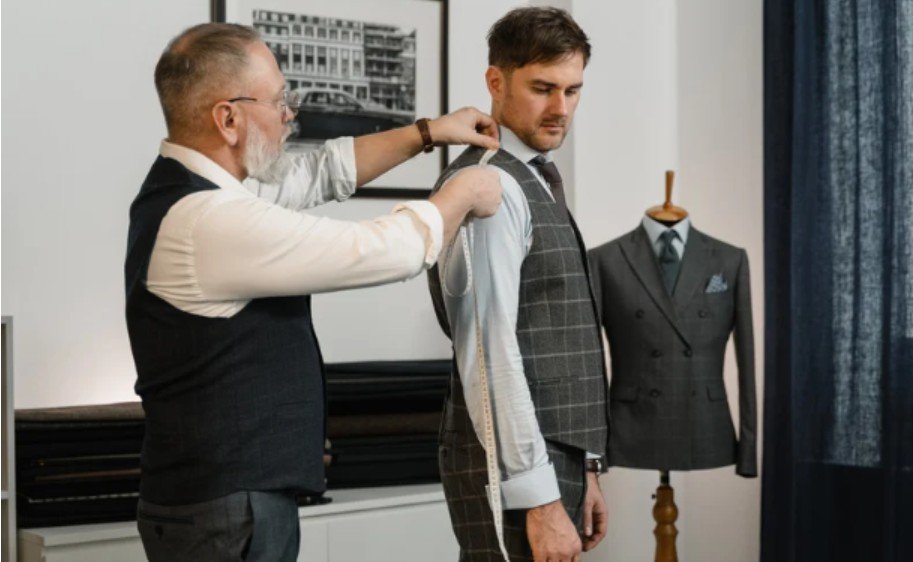
Wear the shirt, shoes, and undergarments intended for the suit. Empty the pockets, stand naturally, and move while the garment is pinned. Sit, walk, and raise your arms to ensure the fit remains comfortable.
After the alterations are complete, following how to care for and store men’s suits will help preserve the new sleeve length, trouser crease, shoulder shape, and overall drape.
Discuss each alteration separately. Ask what will change, whether room remains for future adjustments, and whether another fitting is included. Confirm the cost and completion date before work begins.
Final Fitting Checklist
Check that the collar touches the shirt, the lapels lie flat, and the button closes without strain. The sleeves should be even and reveal the intended cuff.
The trousers should remain at the waist, fall smoothly through the seat, and meet the shoes at the chosen break. Examine the suit from the front, side, and back before approving it.
Frequently Asked Questions
1. What are the essential suit alterations every man should know?
The most valuable changes are sleeve adjustment, jacket shaping, collar correction, trouser hemming, waist and seat refinement, leg tapering, and waistcoat fitting.
2. Can a tailor alter a suit that is one size too large?
Usually, provided the shoulders and jacket length are close to correct. Major downsizing can distort the lapels, pockets, and proportions.
3. Is it worth altering an inexpensive suit?
Yes. If the fabric is sound and the shoulders fit, targeted changes can make an affordable suit look considerably more polished.
4. How many fittings are normally required?
Simple adjustments may need one fitting, while complicated work often benefits from a final review.
The Final Fit
I treat tailoring as the step that turns a standard garment into something personal. I prioritise sleeve length, jacket shape, trouser length, waist, seat, and taper because these changes deliver the greatest improvement without rebuilding the suit.
By starting with a sound foundation and explaining the desired result clearly, I can achieve a balanced fit that looks natural, feels comfortable, and remains useful for years.