

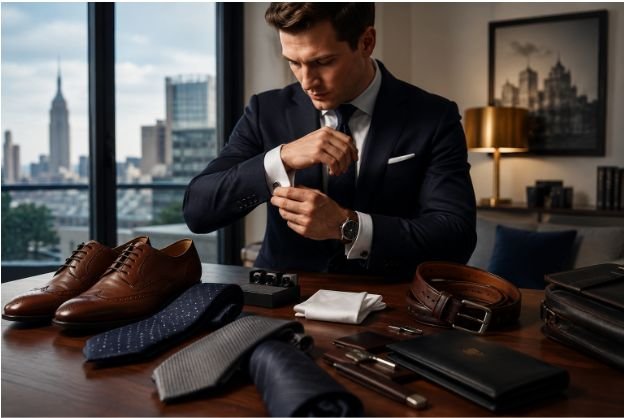

I once assumed a polished outfit required a tie and pocket square from the same set. In practice, that looked too deliberate. Learning how to match a pocket square with a tie is about creating harmony without making both accessories identical. The best combinations repeat a color or level of formality while changing the pattern, texture, or shade.
A pocket square should support the tie, shirt, and jacket rather than compete with them. This method works for weddings, business meetings, dinners, and formal celebrations.
Should a Pocket Square Match a Tie Exactly?
A pocket square should not normally copy the tie. Identical color, fabric, and pattern can make an outfit look prepackaged.
Instead, connect the accessories through one shared detail. A burgundy tie can work with a cream square featuring a burgundy border. A navy patterned tie can pair with a pale blue square that repeats a quieter color.
When the tie is bold, keep the square restrained. When the tie is plain, let the square introduce pattern or texture.
Use This Three-Step Matching Method

Find the Tie’s Main and Secondary Colors
Identify the tie’s dominant color, then look for accents in stripes, dots, paisley details, or floral designs.
Choosing a secondary color often looks more refined than repeating the dominant one. A navy tie with small gold details can pair with a gold, cream, or white square.
Choose a Color Relationship
A tonal combination uses lighter and darker versions of one color, such as burgundy with dusty rose.
An analogous combination uses neighboring colors, such as blue with green. A complementary combination uses contrast, such as blue with orange. Keep one shade muted so the outfit remains balanced.
Change the Pattern, Shade, or Texture
At least one feature should differ. If the tie is patterned, choose a solid or lightly textured square. If the tie is solid, try dots, paisley, geometric shapes, or a simple border.
A smooth silk tie can also work with linen, cotton, wool, or matte silk, especially within the same color family.
How to Combine Solid and Patterned Accessories
Solid Tie With a Patterned Pocket Square
A solid tie gives you room to use a more expressive square. Select a print containing the tie color or another shade that suits the jacket.
A navy tie can pair with a white-and-blue patterned square. A burgundy tie works well with cream, brown, or muted red details.
Patterned Tie With a Solid Pocket Square
This is one of the safest beginner combinations. Pull a secondary color from the tie and make it the square’s main color.
For a striped tie in navy, burgundy, and cream, choose a plain cream or muted burgundy square.
Patterned Tie With a Patterned Pocket Square
Two patterns work when their scales differ. Pair a wide-striped tie with a small-dot square or a detailed paisley tie with a simple border. When you tie a trinity knot, keep the pocket square understated because the knot already adds strong visual detail.
A broad, symmetrical knot can also influence the overall balance of your accessories. Learning how to tie a Windsor knot for beginners helps you create a structured focal point, which usually looks best with a simple pocket square and a controlled fold.
Avoid patterns of equal size because they compete. Limit strong patterns across the tie, square, shirt, and suit.
Match the Combination to the Suit

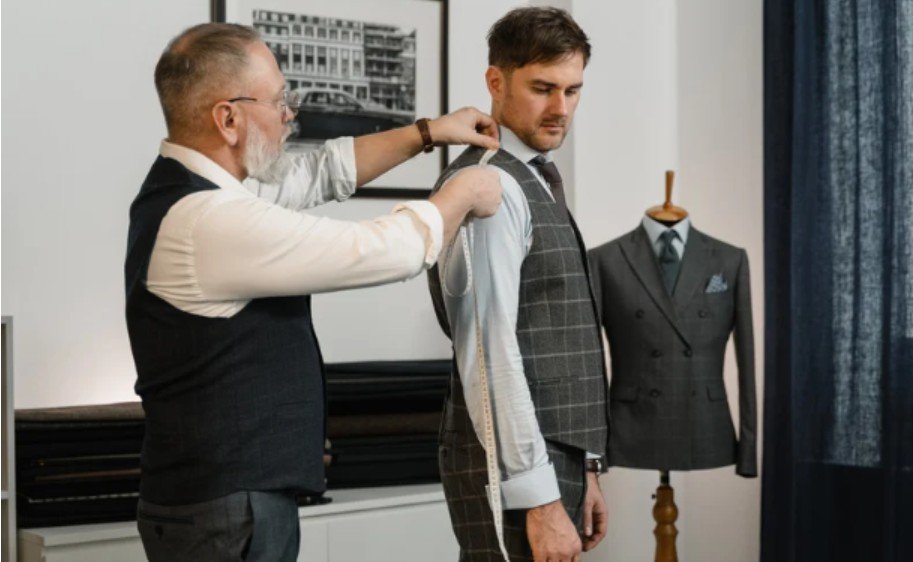
The accessories should complement the proportions, color, and structure of the jacket. Understanding how to choose a suit for your body type can help you select lapels, patterns, and tailoring that create balance before adding a tie and pocket square.
A navy suit works with burgundy, green, gold, rust, light blue, and white accessories.
A charcoal or medium-grey suit suits burgundy, navy, purple, forest green, and soft pink. Choose white or cream for a conservative finish.
A black suit calls for restraint. A white linen square is the safest formal option, while burgundy or silver can suit evening events.
Brown and tan suits pair naturally with olive, rust, cream, mustard, navy, and burgundy. Linen, cotton, and wool squares usually complement these warmer jackets better than glossy silk.
Consider Fabric, Season, and Formality
Silk ties do not require silk pocket squares. Pairing silk with linen or cotton often creates a more natural appearance.
For warm-weather weddings, choose breathable fabrics and lighter colors. In cooler months, wool, brushed cotton, and richer shades complement heavier jackets.
The fold changes the mood too. A presidential fold looks formal, a one-point fold adds structure, and a puff fold feels relaxed. Use a restrained fold when the square already has a bold print.
Best Choices for Different Occasions
For business, use quiet colors, small patterns, and controlled contrast. A navy tie with a white linen square is dependable.
For weddings, try pastels, floral motifs, or richer accent colors. Coordinate with the suit and shirt rather than copying the event palette.
For black-tie music festival, a crisp white square is usually the most elegant choice. For dinners, a patterned silk or linen square can add personality.
Frequently Asked Questions
1. What Is the Easiest Way to Learn How to Match a Pocket Square With a Tie?
Choose a secondary tie color, repeat it in the square, and change the pattern, texture, or shade.
2. Should the Pocket Square Match the Shirt or Tie?
It can relate to either, but it should complement the entire outfit instead of copying one item.
3. Can I Wear Two Patterned Accessories?
Yes. Use patterns of different sizes and let only one become the visual focus.
4. What Pocket Square Works With Almost Every Tie?
A white linen square with a straight or one-point fold is the most versatile option.
Final Takeaways
I now treat the tie and pocket square as related pieces rather than twins. One should lead while the other supports it through color, texture, or pattern.
I start with the tie, select a secondary color, vary the pattern scale, and check everything against the suit and shirt. That sequence removes guesswork and creates an outfit that feels balanced, personal, and confidently put together.