


The difference between looking well-dressed and looking truly polished often comes down to the details. A perfectly tailored suit can lose its impact if it’s paired with the wrong tie, an oversized watch, or mismatched shoes and belt. On the other hand, thoughtfully chosen accessories can elevate even a simple navy or charcoal suit into an outfit that feels refined and intentional.
That’s why building a collection of timeless formal accessories is worth the investment. Instead of chasing seasonal trends, focus on pieces that work across business meetings, weddings, black-tie events, and formal dinners. The right accessories don’t compete for attention—they quietly complete your look while reflecting confidence and personal style.
Why Formal Accessories Matter More Than You Think
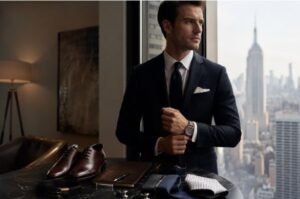
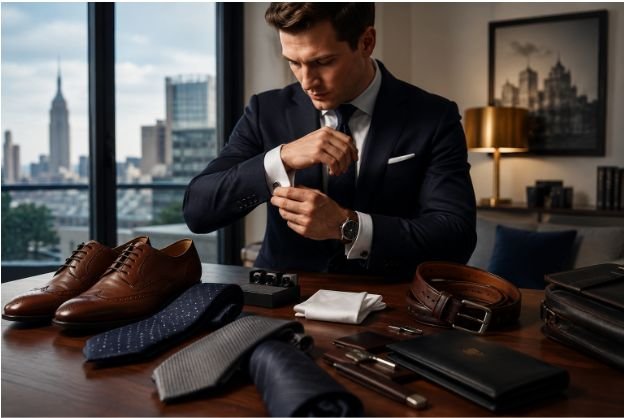
Formal accessories do more than fill empty space. They create balance, add texture, and help tie an outfit together without making it feel overdone. A silk pocket square can soften the sharp lines of a suit, while a classic dress watch or understated cufflinks add sophistication without distracting from the overall look.
Quality matters just as much as style. Investing in a handful of well-made accessories often provides a better cost-per-wear than buying multiple trendy pieces that quickly go out of fashion. A timeless collection gives you the flexibility to dress confidently for almost any formal occasion.
The Essential Formal Accessories Every Gentleman Should Own
A Classic Dress Watch
A dress watch remains one of the most versatile accessories in men’s formal style. Unlike sports watches or oversized chronographs, a proper dress watch is designed to complement formal attire rather than dominate it.
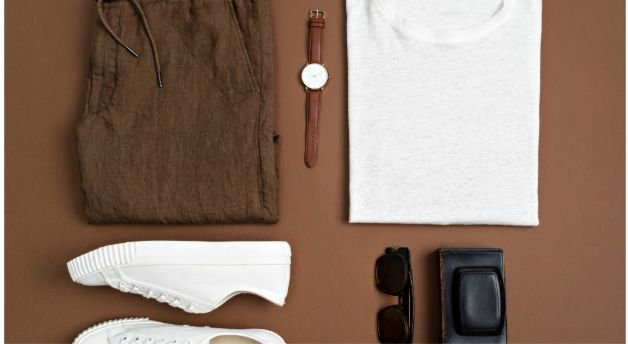
Look for an analog watch with a slim case that fits comfortably beneath your shirt cuff. Minimal dials in white, silver, or black paired with a black or dark brown leather strap create a clean, elegant appearance. Keeping the case size proportional to your wrist ensures the watch feels balanced instead of oversized.
Neckties and Bow Ties
Your neckwear naturally becomes one of the first things people notice, making it the focal point of many formal outfits. Knowing how to style a necktie starts with choosing one that complements your suit, shirt, and the occasion. For business suits and formal events, high-quality silk ties in solid colors or subtle textures remain the safest choice. Navy, charcoal, burgundy, and deep green pair effortlessly with most suits while maintaining a sophisticated appearance.
For black-tie occasions, a self-tie black silk bow tie remains the traditional standard. Although pre-tied options are convenient, a hand-tied bow tie offers a more authentic and refined finish.
If you’re learning how to style a necktie, focus on balance rather than exact matching. Your tie should complement your shirt and suit through coordinated colors, textures, and proportions instead of identical patterns.
Pocket Squares

Few accessories make as much difference with so little effort as a pocket square. It introduces personality while maintaining a polished appearance.
A crisp white linen pocket square with a straight fold remains the most versatile option for weddings, business functions, and black-tie events. Silk pocket squares add texture and subtle color, but they should coordinate with your tie rather than match it exactly. Combining different fabrics creates visual depth that feels more natural and sophisticated.
Cufflinks
If you’re wearing French cuff shirts, cufflinks become both practical and stylish. Classic silver, gold, or black onyx designs work well with nearly every formal outfit and never feel outdated.
Bullet-back cufflinks are especially popular because they’re easy to fasten while maintaining a clean appearance. Monogrammed or artistic designs can work for less formal occasions, but understated styles remain the most versatile choice for building a timeless collection.
Tie Bars
A tie bar may seem like a small addition, but it serves both function and style by keeping your tie neatly in place throughout the day.
Choose a tie bar that’s shorter than the width of your tie and position it between the third and fourth shirt buttons. Brushed silver and polished gold finishes pair easily with most formal wardrobes. For the cleanest appearance, coordinate the finish with your watch case and cufflinks rather than mixing multiple metals.
Leather Dress Belts
A formal belt should never draw attention to itself. Instead, it should quietly complement the rest of your outfit.
Choose smooth leather belts in black or dark brown with a simple buckle that avoids oversized logos or decorative details. One of the oldest rules of classic menswear still holds true: your belt should match your dress shoes in both color and leather finish. That small detail creates a polished, cohesive appearance.
Build a Collection That Lasts
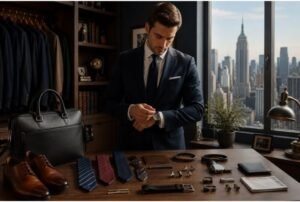
You don’t need dozens of accessories to dress well. A thoughtfully chosen collection of timeless pieces will cover nearly every formal occasion you’ll encounter.
Start with a silk tie in a versatile color, a white linen pocket square, a quality leather belt, classic cufflinks, a slim dress watch, and polished dress shoes. As your wardrobe grows, you can introduce textured ties, additional pocket squares, or seasonal accessories without losing the clean, classic foundation you’ve already built.
Timeless menswear isn’t about owning more—it’s about choosing better.
FAQs: Complete Guide to Men’s Formal Accessories Every Gentleman Should Own
What are the most important formal accessories every man should own?
Start with a silk tie, white pocket square, leather dress belt, classic cufflinks, a slim dress watch, and polished dress shoes. These essentials work for most business and formal occasions.
Should a pocket square match the tie?
No. A pocket square should complement your tie through color or texture rather than matching it exactly. This creates a more balanced and sophisticated appearance.
Are suspenders more formal than belts?
Yes. Button-on suspenders are generally considered more formal because they create cleaner lines and are traditionally paired with tailored trousers and tuxedos.
How many formal accessories do I really need?
Focus on versatile, high-quality pieces instead of a large collection. A small capsule wardrobe of classic accessories offers more flexibility and better long-term value than buying trendy items.
Why the Small Details Always Stand Out
The best-dressed men rarely rely on bold accessories or expensive labels to make an impression. Instead, they understand how each detail contributes to a polished appearance. A properly chosen tie, a neatly folded pocket square, coordinated leather accessories, and an understated watch work together to create a look that feels intentional rather than excessive. That’s what gives classic formal style its lasting appeal.
When every accessory has a purpose, confidence becomes the finishing touch that people notice most.