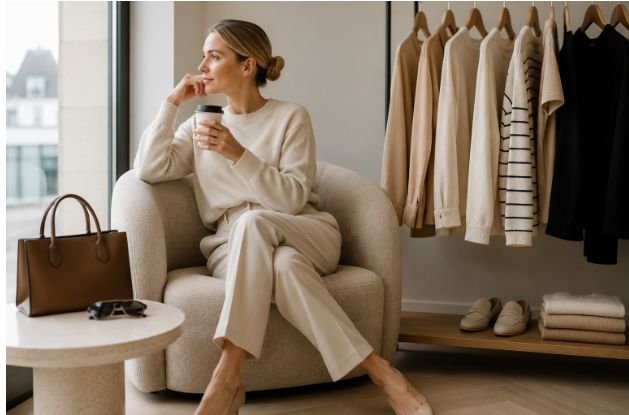


Fall weddings create a familiar styling problem: your dress may look perfect indoors, but the ceremony, cocktail hour, or photos may happen outside in chilly weather. When I decide what sweater to wear with a fall wedding guest dress, I choose a layer that adds warmth without hiding the neckline, waist, or movement of the outfit.
For most guests, the safest options are a cropped fine-knit cardigan, a cashmere pashmina or wrap, and a fitted bolero or shrug. Choose a smooth knit in cashmere, merino wool, or a fine-gauge blend.
A September vineyard wedding in California may need only a light wrap, while an October event in New England or a November wedding in the Midwest may require a cardigan under a wool coat.
Why Does a Cropped Cardigan Work With Most Fall Dresses?
A cropped cardigan keeps the waist visible and prevents the bulky effect a long sweater can create. It works especially well with midi, fit-and-flare, and sleeveless cocktail dresses.
For a dressy cardigan for a wedding guest, look for fine-gauge cashmere, smooth merino, or lightweight wool. Pearl closures, jewel buttons, satin edging, or restrained embroidery make it feel occasion-ready. Wear it open to frame the neckline, fasten only the top button, or drape it loosely over your shoulders.
When Should You Wear a Fine-Knit Pashmina or Wrap?
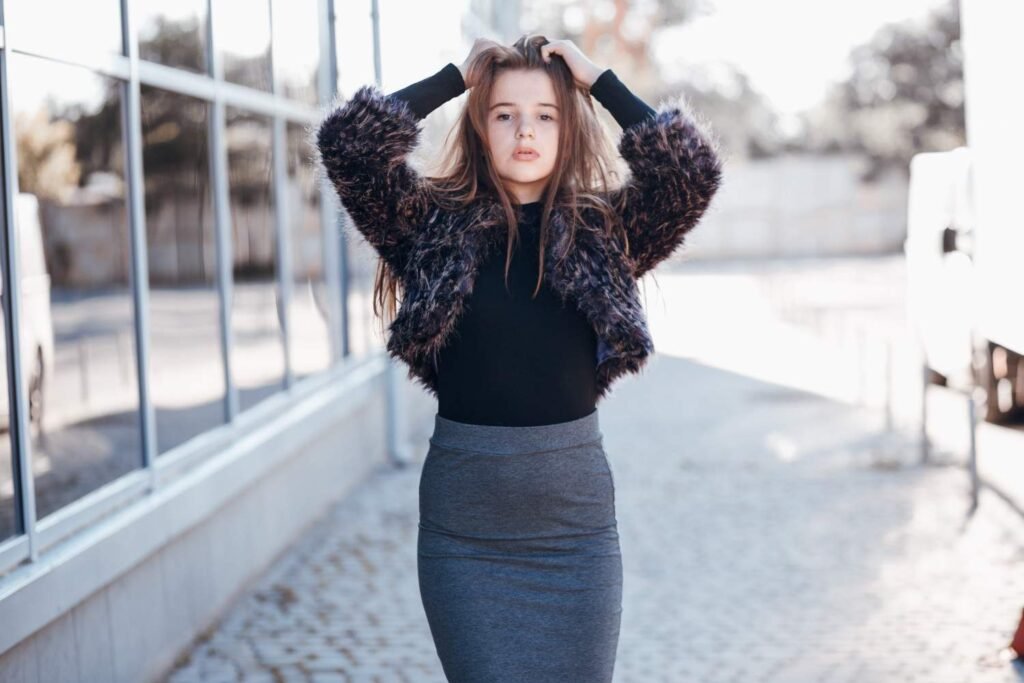
A pashmina or fine-knit wrap offers flexibility when temperatures change. Wear it during an outdoor ceremony, fold it over your arms at dinner, and remove it easily on the dance floor.
Emerald, burgundy, navy, plum, and dark teal suit fall weddings. Champagne gold or subtle silver shimmer can coordinate with nearly any solid dress.
A cashmere wrap often works better than a standard cardigan for formal and black-tie-optional weddings because it warms you without interrupting the lines of a gown or satin midi dress.
Is a Knit Bolero or Shrug Formal Enough for a Wedding?
A bolero or shrug covers the shoulders and arms while leaving the neckline, bodice, and waist visible. That makes it a strong option when deciding what to wear over a sleeveless wedding guest dress.
Choose a fitted knit bolero with three-quarter sleeves or subtle embellishment for cocktail and semi-formal events. For a formal evening wedding, replace everyday knitwear with a velvet bolero or faux-fur shrug. These dressier fall wedding cover-ups add warmth without concealing the dress.
Which Sweater Works With Satin, Floral, Velvet, or Maxi Dresses?

A satin or silk slip dress needs a light, smooth layer that will not catch the fabric. Pair it with a cropped cashmere cardigan, fine pashmina, or fitted bolero. The cropped proportions often used with petite wedding guest dresses for summer also work well here because they preserve the waistline and prevent delicate fabric from looking overwhelmed. Burgundy satin works with black, champagne, or gray, while emerald pairs well with navy or muted gold.
A floral midi dress looks best with a solid cardigan that repeats one shade from the print. Rust, forest green, chocolate brown, navy, and muted rose feel seasonal and polished.
Velvet already has visual weight, so use a smooth cardigan instead of another heavy texture. For a maxi dress, choose a cropped layer because a long cardigan can hide the gown’s shape.
How Should the Dress Code Affect Your Wedding Guest Outerwear?
For a casual barn, backyard, or daytime outdoor wedding, a neat merino cardigan or structured sweater jacket works well. The fit may feel slightly relaxed, but the piece should still look intentional.
For semi-formal or cocktail attire, choose a fitted cashmere cardigan, elegant bolero, or refined wrap. Avoid visible logos, oversized pockets, casual zippers, and thick ribbing.
For formal or black-tie-optional events, I prefer a pashmina, faux-fur shrug, velvet bolero, or sleek evening wrap. A cardigan over a formal dress can work, but it needs luxurious fabric and a precise fit.
How Do You Layer Without Looking Bulky?
Balance the fabrics and silhouettes. If the skirt is full, use a fitted sweater. If the dress is narrow and simple, a softly draped wrap can add shape. A detailed lace or printed dress needs a smooth solid knit, while a plain silk slip can support subtle texture or shimmer.
Avoid chunky cable knits, boyfriend cardigans, hooded sweaters, and long shapeless layers. They can swallow the dress and look too casual. Make sure the shoulder seams sit correctly and the cardigan does not bunch at the waist.
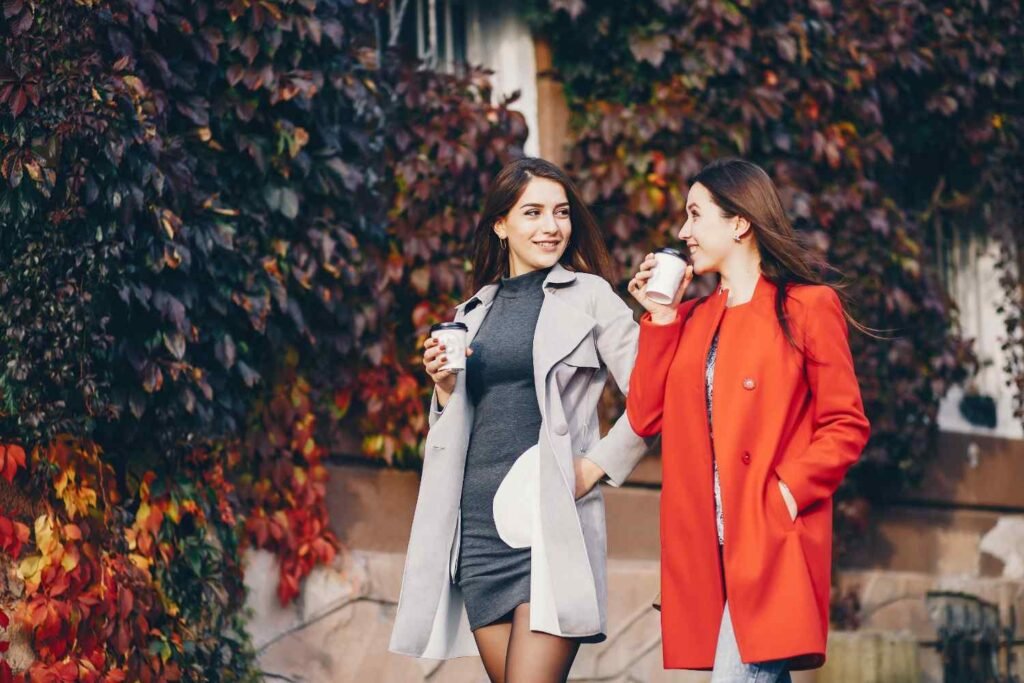
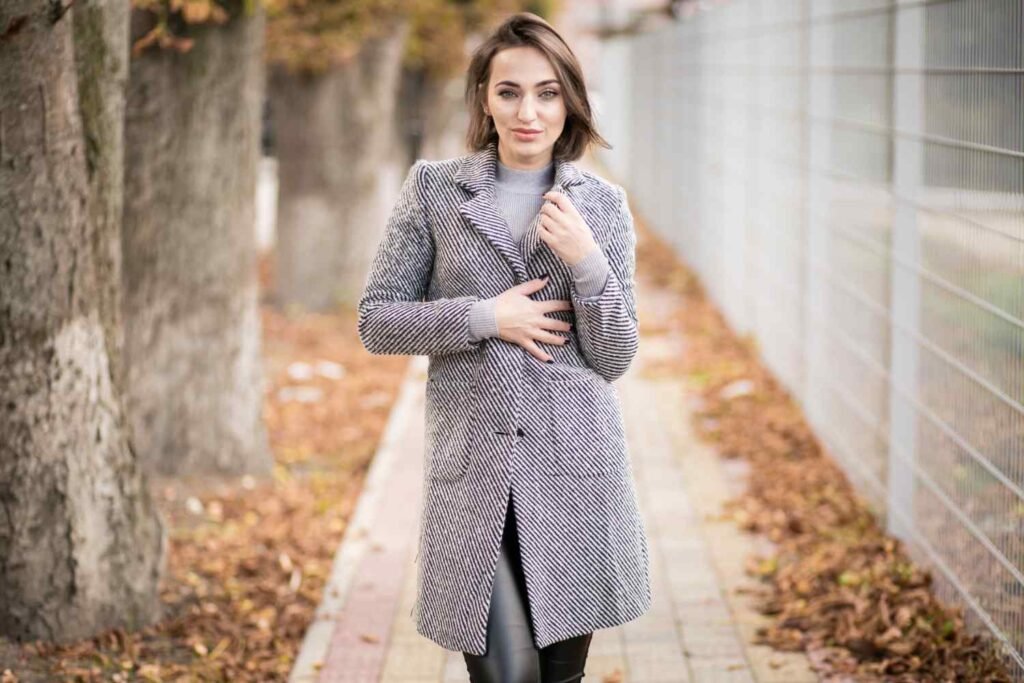
For a cold outdoor ceremony, wear a fine cardigan under a tailored wool coat, then remove the coat indoors. A blazer works with a structured sheath dress, while a cashmere wrap complements chiffon and satin.
How Should You Match the Sweater Color to the Dress?
You do not need an exact match. Repeat a shade from the dress, coordinate the sweater with your shoes and handbag, or use a complementary neutral. Black, navy, charcoal, taupe, champagne, burgundy, emerald, plum, and chocolate brown are dependable choices.
Avoid white or ivory as the dominant color unless the couple specifically requests it.
Frequently Asked Questions (FAQs)
1. Can I Wear an Oversized Sweater Over a Wedding Guest Dress?
An oversized sweater usually looks too casual and hides the dress. Choose a cropped or fitted fine-knit layer instead.
2. Is a Pashmina Appropriate for a Formal Fall Wedding?
Yes. A cashmere or fine-knit pashmina provides elegant coverage and is easy to remove indoors.
3. What Sweater Works Over a Cocktail Dress?
A fitted cashmere cardigan, cropped bolero, or embellished fine-knit sweater preserves the dress’s shape and formality.
4. What Is the Warmest Elegant Layer for a Late-Fall Wedding?
Wear a cashmere cardigan or wrap beneath a tailored wool coat, especially in colder US regions.
Final Thoughts
When choosing what sweater to wear with a fall wedding guest dress, I focus on proportion, fabric, color, and dress code. A cropped cardigan defines the waist, a pashmina adapts to changing temperatures, and a bolero preserves the neckline and bodice.
Although oversized fashion can look stylish in casual settings, it often overwhelms a formal dress. Keep the knit smooth, avoid bulky silhouettes, and let the layer support rather than compete with the dress.