

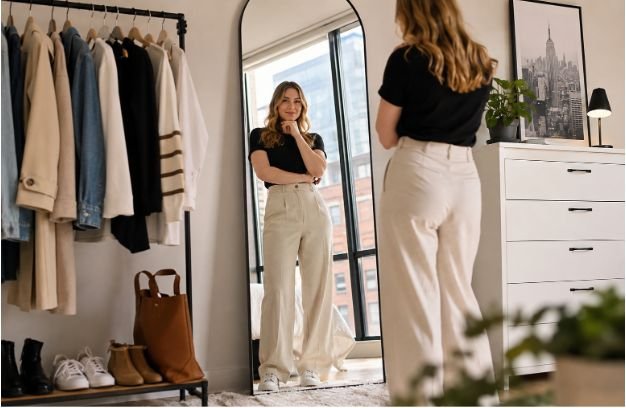
Fashion trends have a way of making us feel like our wardrobe is always one step behind. Social media constantly introduces a new color palette, silhouette, or must-have item, making it easy to believe that staying stylish means shopping more often. Before long, closets become crowded with pieces that looked exciting for a season but rarely get worn again.
The good news is that great style has never depended on following every trend. It’s built through consistency, thoughtful choices, and wearing clothes that genuinely reflect who you are. If you’re looking for easy ways to improve your personal style, the answer isn’t buying an entirely new wardrobe. It’s learning how to make smarter decisions with the clothes you already own while investing in pieces that continue to work year after year.
Why Personal Style Always Outlasts Trends
Fashion changes because that’s what keeps the industry moving. Personal style, on the other hand, grows with you. It reflects your lifestyle, personality, and the way you want to present yourself every day.
Instead of asking whether something is trending, ask yourself whether you’ll still enjoy wearing it next year. That simple question often separates thoughtful purchases from impulse buys. A wardrobe built around timeless pieces is easier to style, less expensive to maintain, and far more versatile than one driven by short-lived trends.
Personal style also creates confidence. When you know your clothes fit well and represent who you are, getting dressed becomes less stressful and much more enjoyable.
Create a Style Blueprint Before You Shop
Many people shop without a clear direction, which is why their wardrobe ends up feeling disconnected. Before adding anything new, spend some time identifying what naturally appeals to you.
Start by finding a few public figures whose outfits consistently catch your attention. You aren’t trying to copy their wardrobe. Instead, notice the details that appear repeatedly. Maybe it’s clean tailoring, neutral colors, relaxed layers, or simple accessories.
Next, choose three words that describe your ideal style. Words like “classic,” “comfortable,” “minimal,” “structured,” or “creative” work well because they provide a filter for future purchases.
Every time you’re tempted to buy something, compare it against those three words. If it doesn’t fit your style blueprint, it’s probably not the right addition to your closet.
Fit Matters More Than Expensive Labels
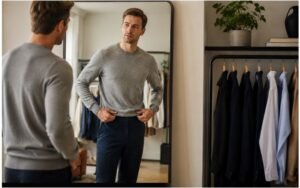
One of the quickest ways to elevate any outfit has nothing to do with designer brands. It comes down to fit.
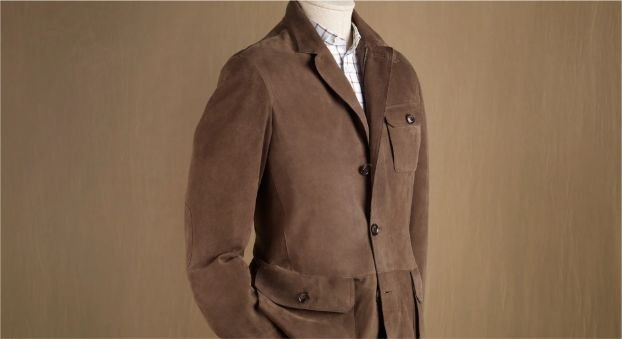
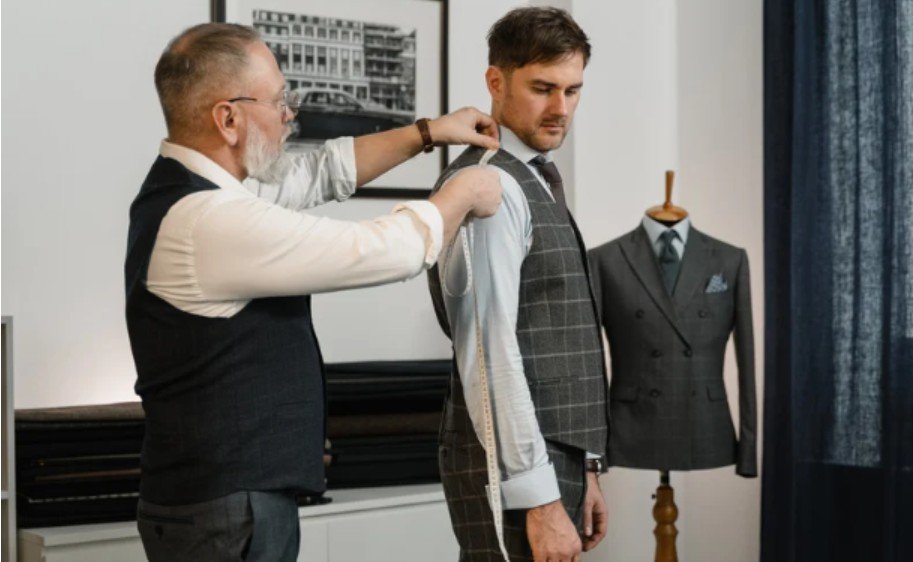
Even affordable clothing can look polished when it’s tailored correctly. Sleeves that end at the right length, trousers with a clean break, and jackets that sit comfortably across your shoulders instantly create a more refined appearance.
Knowing your measurements also makes shopping much easier. Save your chest, waist, hip, shoulder, and inseam measurements on your phone so you can compare sizing across different brands. You’ll spend less time guessing and more time buying clothes that actually fit.
Balance is equally important. Pairing loose tops with slimmer bottoms or fitted shirts with wider-leg pants creates proportion and helps outfits feel intentional rather than oversized or restrictive.
Invest in Wardrobe Essentials That Earn Their Place
A stylish wardrobe doesn’t require dozens of new outfits. It requires reliable pieces that work together in different combinations.
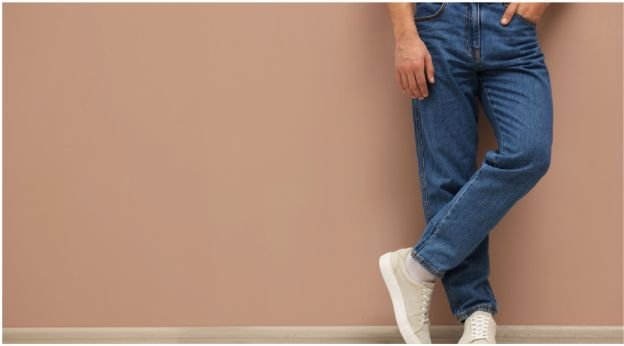
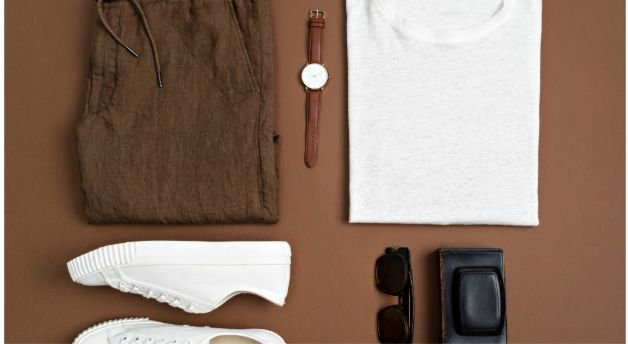
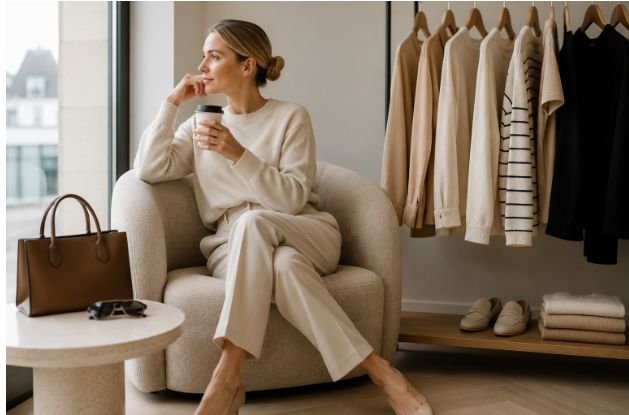
Think about the items you wear most often. A crisp white T-shirt, dark denim, a structured blazer, neutral knitwear, a button-down shirt, and classic footwear rarely go out of style because they’re incredibly versatile.
Instead of focusing only on price, think about cost-per-wear. Spending a little more on clothing you’ll wear every week usually provides better value than repeatedly buying inexpensive trend pieces that lose their appeal after a few months.
Building around dependable wardrobe staples also makes getting dressed faster because nearly everything works together naturally.
Small Habits That Make a Lasting Difference

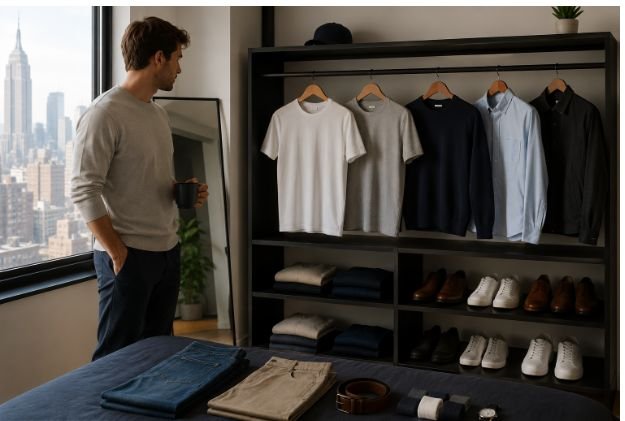
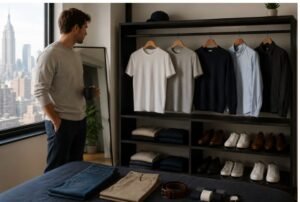
Great style is built through everyday habits, not occasional shopping trips. Keeping your closet organized helps you see what you already own and prevents unnecessary purchases. If you haven’t worn something in over a year, consider donating or selling it so your wardrobe stays practical.
It also helps to photograph outfits you enjoy wearing. Creating a small digital lookbook makes getting dressed easier on busy mornings and reminds you of combinations that already work well together.
If you’re looking for smart ways to upgrade your style for less, start by shopping your own closet before buying something new. You may discover fresh outfit combinations simply by mixing pieces you haven’t paired before.
Finally, follow the one-in, one-out rule whenever possible. Bringing in one quality item while letting go of another keeps your wardrobe balanced and encourages intentional shopping instead of impulse buying.
Frequently Asked Questions: Easy Ways to Improve Your Personal Style Without Following Every Trend
How can I improve my personal style without spending a lot of money?
Focus on clothing that fits well, organize your wardrobe, invest in timeless basics, and create new outfit combinations using pieces you already own before shopping for more.
How long does it take to develop a personal style?
Personal style evolves over time. Paying attention to what you enjoy wearing and making thoughtful purchases consistently will gradually create a wardrobe that feels uniquely yours.
Are fashion trends necessary to look stylish?
No. Trends can be fun to experiment with, but timeless clothing, proper fit, and confidence have a much greater impact on your overall appearance.
What’s the first item worth investing in?
Start with versatile essentials like a well-fitted blazer, quality denim, comfortable white sneakers, or a crisp white shirt. These pieces work with multiple outfits and provide excellent cost-per-wear.
Why Your Best Style Is the One That Feels Like You
The most memorable wardrobes aren’t built overnight, and they certainly aren’t created by buying everything that’s trending. They grow through thoughtful decisions, quality pieces, and a clear understanding of what makes you feel comfortable and confident. When you stop dressing to impress everyone else and start dressing in a way that reflects your personality, style becomes much easier to maintain.
Small improvements made consistently will always have a bigger impact than constantly chasing the next trend.