

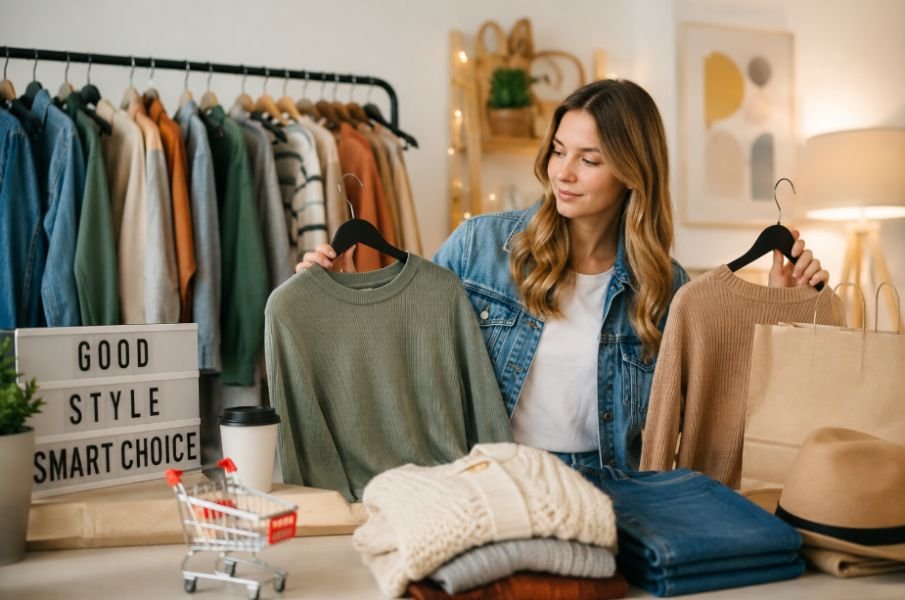
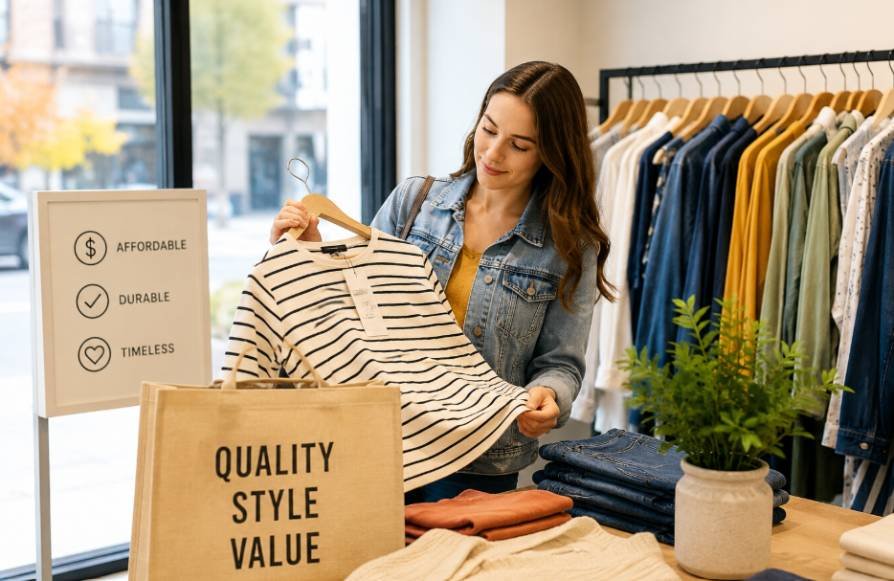
A few years ago, shopping for clothes often meant chasing the latest trend or buying whatever carried the biggest brand name. Today, the conversation looks very different. More people pause before adding something to their cart, asking practical questions like how often they will wear it, whether it will last beyond one season, and if it truly justifies the price.
Fashion is no longer just about looking good—it is about making purchases that feel worthwhile.
That shift explains why value for money fashion has become more than just a shopping preference. It reflects a broader change in how people think about spending, quality, and personal style.
Rising living costs have encouraged shoppers to become more intentional, but they have also shown that building a great wardrobe does not always require premium price tags. Instead, people are looking for clothing that combines durability, versatility, and everyday wearability.
What Value for Money Fashion Really Means

At its core, value for money fashion is about getting the best possible return from every clothing purchase. It is not simply buying the cheapest option available. Instead, it means finding pieces that balance quality, comfort, design, and price.
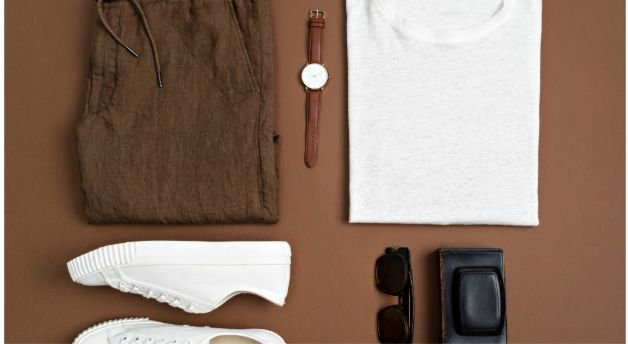
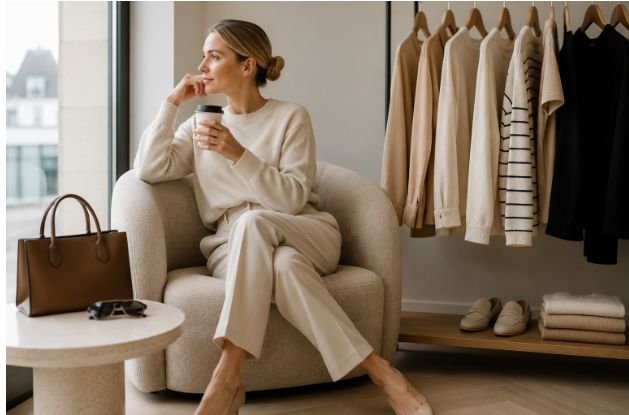
A well-made sweater that lasts for several winters often offers better value than a lower-priced alternative that loses its shape after a few washes. Likewise, a pair of versatile sneakers that work for casual outings, travel, and weekend errands can become a smarter investment than several inexpensive pairs worn only occasionally.
This mindset encourages shoppers to evaluate clothing based on its long-term usefulness rather than its initial cost. Many people now think in terms of cost-per-wear, a practical approach that measures value by dividing an item’s price by the number of times it is worn. The more frequently a garment becomes part of your wardrobe, the more value it delivers over time.
Why Shopping Habits Have Changed
Several factors have reshaped the way people approach fashion purchases, and together they have made thoughtful spending more common than ever.
Rising Costs Have Changed Priorities
Inflation and increasing everyday expenses have influenced nearly every household budget. When groceries, housing, and transportation consume a larger share of monthly income, clothing purchases naturally receive more attention.
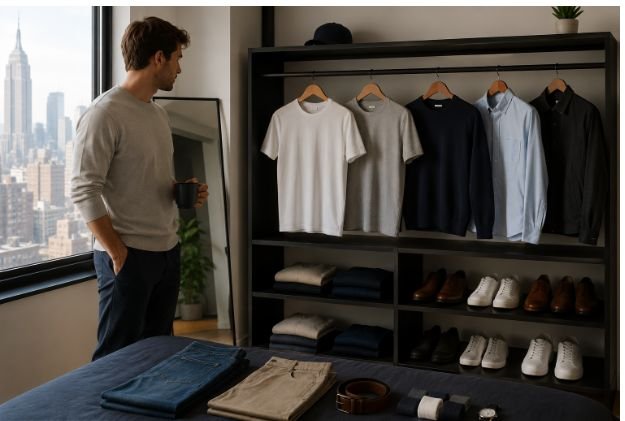
Instead of buying impulsively, many shoppers now plan purchases around actual needs. They focus on filling wardrobe gaps, replacing worn essentials, or investing in versatile pieces that work across different occasions. This approach reduces unnecessary spending while helping wardrobes remain functional and stylish.
Technology Has Made Quality More Accessible

Advances in manufacturing, material sourcing, and supply chain management have changed the fashion industry in meaningful ways. Brands can now produce clothing with improved fabric composition, better stitching, and more consistent quality while keeping prices competitive.
Consumers benefit because durable clothing is no longer limited to premium labels. Well-designed basics, moisture-wicking activewear, wrinkle-resistant fabrics, and comfortable everyday essentials are available across a much wider price range than they were a decade ago.
As competition grows, many retailers focus on delivering stronger value instead of relying solely on brand recognition.
Information Is Always Within Reach
Modern shoppers rarely buy clothing without doing at least a little research first. Reading customer reviews, comparing prices across retailers, checking sizing information, and looking at fabric details have become routine parts of the shopping process.
Instead of relying on marketing alone, buyers often look for genuine customer experiences. They want to know whether a jacket fits as expected, whether the fabric pills after washing, or whether the color stays vibrant after repeated wear.
This easy access to information has made consumers more confident and selective, encouraging purchases based on evidence rather than impulse.
How to Tell Whether Clothing Is Actually Worth the Price
Finding value requires looking beyond the price tag. A few simple details can reveal whether an item is likely to become a reliable wardrobe staple or an expensive disappointment.
Look Closely at Fabric Composition
The material used in a garment often says more about its longevity than the label on the front. Natural fibers like cotton, linen, and wool generally offer durability and comfort, while thoughtfully blended fabrics can improve stretch, wrinkle resistance, and everyday performance.
Checking the fabric composition before purchasing helps shoppers understand how a garment will feel, how much care it requires, and whether it is likely to maintain its appearance after repeated washing.
Examine Construction Instead of Branding

Strong stitching, reinforced seams, secure buttons, quality zippers, and clean finishing are small details that make a significant difference over time.
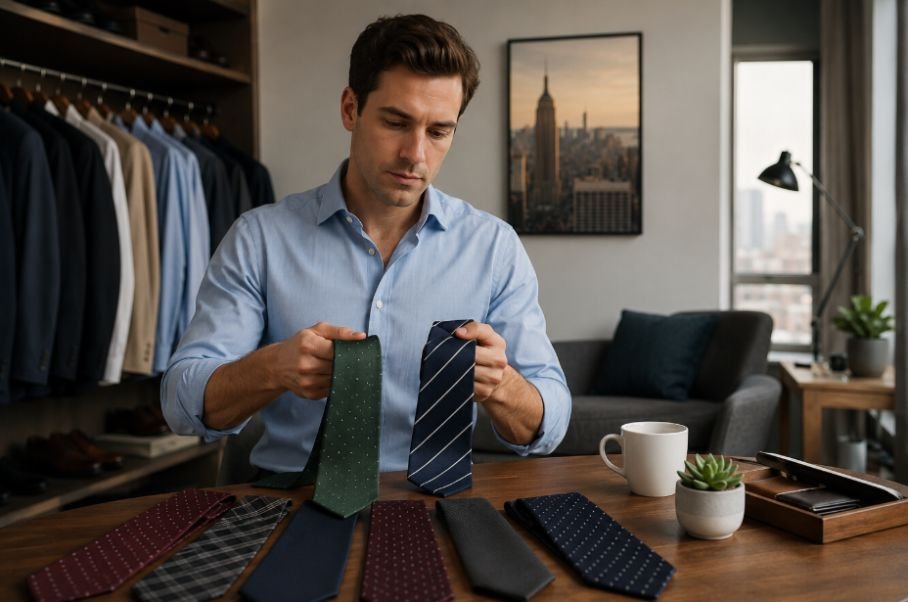
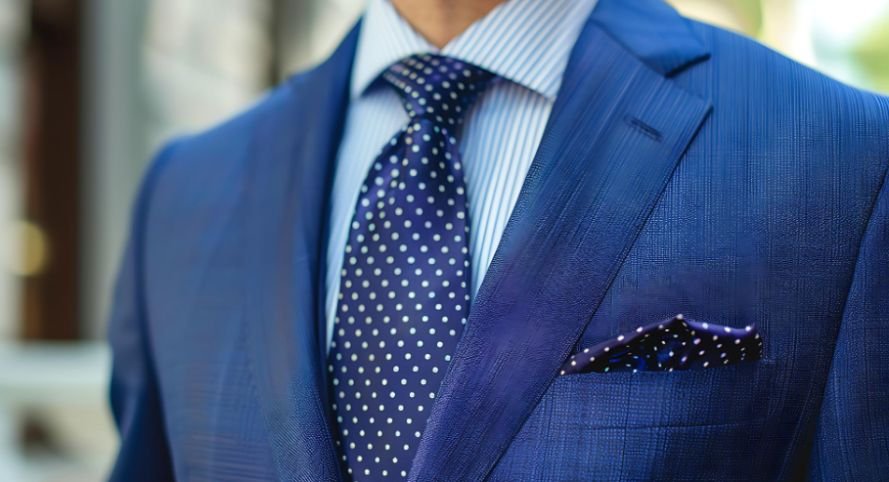
The same thoughtful approach applies when learning how to match a pocket square with a tie, since versatile accessories that coordinate with several outfits usually offer more value than matching sets worn only once.
A recognizable brand may attract attention, but thoughtful footwear construction, durable seams, and well-finished garments usually determine how long clothing actually lasts. Spending a few extra moments examining these features often leads to better purchasing decisions than focusing on logos alone.
Think Beyond the First Purchase
One of the simplest ways to judge whether clothing is worth buying is to think about how often you will actually wear it. This is where the concept of cost-per-wear becomes useful. An item that costs more upfront but becomes part of your weekly rotation often delivers better value than a cheaper alternative that sits untouched in your closet.
Understanding how to dress for your body type as a man also helps you choose garments that fit well, complement your proportions, and remain useful instead of becoming rarely worn purchases.
For example, a well-made pair of jeans worn twice a week for two years will almost always provide better value than several inexpensive pairs that lose their fit or color within a few months. Looking at clothing through this long-term lens helps shift the focus from short-term savings to smarter spending.
Frequently Asked Questions:
1. What does value for money fashion mean?
Value for money fashion means choosing clothing that offers the best balance of quality, durability, comfort, and price. It focuses on long-term usefulness rather than simply buying the cheapest option.
2. How can I tell if clothing is worth the price?
Look at fabric composition, stitching quality, garment construction, customer reviews, and how often you expect to wear the item. These factors provide a better measure of value than the brand name alone.
3. Is affordable fashion always lower quality?
No. Many affordable brands now use better manufacturing processes and materials to produce durable, stylish clothing at competitive prices. Comparing products carefully helps identify the best options.
4. Why is cost-per-wear important when shopping?
Cost-per-wear helps you evaluate how much value a garment provides over time. Clothing worn frequently often becomes a better investment than cheaper items that are rarely used.