

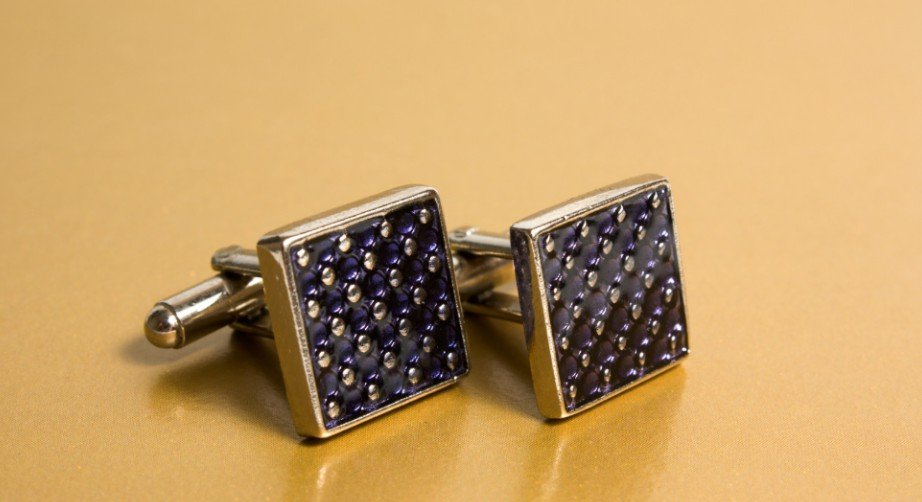
Cufflinks may occupy only an inch of your outfit, yet the wrong pair can make every other detail feel disconnected. When I learned how to match cufflinks with a shirt and tie, I stopped treating them as isolated jewelry and started viewing them as part of one coordinated system.
The safest approach is not to match everything perfectly. Instead, repeat one color, coordinate your metals, and let one accessory lead. Learning how to match cufflinks with a shirt and tie becomes much easier once you understand that balance matters more than identical colors.
Start With a Shirt That Accepts Cufflinks
Before considering colors or metals, confirm that your shirt can hold cufflinks. Standard barrel cuffs usually close with buttons. French cuffs fold back and fasten through aligned buttonholes with cufflinks.
Charles Tyrwhitt and Turnbull & Asser describe French or double cuffs as folded-back, formal cuffs designed specifically for cufflinks. Convertible cuffs offer both a button and cufflink opening, making them more flexible for business wardrobes.
French Cuffs
French cuffs create the cleanest setting for traditional cufflinks. I prefer them for weddings, formal dinners, presentations, and occasions where a suit needs extra polish.
The cuff should sit securely without squeezing the wrist. A small section should remain visible beneath the jacket sleeve. Charles Tyrwhitt recommends showing roughly half an inch to one inch of shirt cuff below the jacket.
Convertible Cuffs
Convertible cuffs work well when you need one shirt to serve several purposes. Wear the buttons for an ordinary office day, then add cufflinks for a client dinner or formal event.
When practicing how to match cufflinks with a shirt and tie, check the cuff construction first. Even perfect color coordination cannot rescue cufflinks forced through unsuitable button cuffs.
How to Match Cufflinks With a Shirt and Tie by Color
I begin with the shirt because it sits directly behind the cufflinks. It creates either contrast or continuity, while the tie acts as the secondary color reference.
Solid White and Light Blue Shirts

A white shirt is the most forgiving option. Silver, gold, black enamel, navy enamel, mother-of-pearl, and onyx can all work because white provides a neutral background.
I usually combine a white shirt and navy tie with polished silver or navy enamel cufflinks. For a black tie, I choose black enamel, onyx, or a restrained silver design.
Light blue shirts naturally support cooler tones. Silver, gunmetal, navy, and pale mother-of-pearl create a composed appearance. Gold can still work, but it should connect with another warm detail, such as a brown leather watch strap.
Striped, Checked, and Patterned Shirts
Patterns require restraint. With a striped shirt, I select one minor stripe color and repeat it subtly in the cufflinks.
For example, a blue-and-white striped shirt with a burgundy tie can take silver cufflinks with a small burgundy enamel center. The cufflinks acknowledge the tie without copying it.
Checked shirts already carry visual movement. I avoid detailed novelty cufflinks, multicolored stones, or another competing pattern. Plain silver, brushed gold, gunmetal, or simple knots keep the outfit controlled.
My approach to how to match cufflinks with a shirt and tie is simple: the busier the shirt, the quieter the cufflinks.
Coordinate Cufflinks With Your Tie Without Overmatching

Cufflinks should relate to the tie without looking like they came from a boxed matching set. Perfectly identical fabric, colors, and patterns often make an outfit appear manufactured rather than personally styled.
The same balanced approach applies when learning how to match a pocket square with a tie, since both accessories should complement the outfit without repeating identical colors and patterns.
Turnbull & Asser gives similar advice for wedding attire, recommending cufflinks that complement the outfit without commanding attention.
Use the One-Echo Rule
My One-Echo Rule means that cufflinks should repeat only one visible element from the upper half of the outfit.
They might echo:
- The tie’s minor accent color
- The tie’s general temperature, such as warm or cool
- The metal of a watch or belt buckle
- The formality of the shirt and suit
They should not copy the tie’s exact color, texture, pattern, and shine at once.
Suppose I wear a burgundy paisley tie containing tiny blue details. Rather than choosing burgundy paisley cufflinks, I use dark blue enamel links in silver settings. They pull out the smaller color and make the combination feel intentional.
Reliable Shirt, Tie, and Cufflink Combinations
White shirt and navy tie: Silver or dark blue enamel cufflinks create a crisp business combination.
Light blue shirt and burgundy tie: Silver or gunmetal cufflinks balance the warmth of the tie.
Pale pink shirt and gray tie: Rose gold, silver, or soft mother-of-pearl adds gentle contrast.
White shirt and black tie: Black enamel, onyx, hematite, or polished silver supports a formal look.
Blue striped shirt and solid navy tie: Plain silver cufflinks prevent the outfit from becoming too busy.
These combinations demonstrate how to match cufflinks with a shirt and tie without relying on exact color duplication.
Match Cufflink Metals With Your Other Accessories
Matching metals remains the easiest route to a polished outfit. I pair silver-tone cufflinks with a silver watch case, silver belt buckle, or white-gold ring. Gold cufflinks work naturally with a gold watch or warm metal buckle.
This does not mean every metal must match perfectly. Thoughtful mixing can work when one finish clearly dominates. For example, I might wear a two-tone watch with silver cufflinks because silver remains the watch’s main visible metal.
Finish matters as much as color. Brushed gunmetal cufflinks suit a matte watch better than highly polished silver. Glossy cufflinks feel more natural beside polished dress shoes and formal evening accessories.
When learning how to match cufflinks with a shirt and tie, treat metal as the connecting thread between separate parts of the outfit.
Choose Cufflinks for the Occasion
The same cufflinks rarely work equally well in a boardroom, at a beach wedding, and during a black-tie reception. The occasion controls how much color, shine, and personality you can introduce.
Business and Office Wear
For business settings, I favor silver bars, knots, small geometric forms, dark enamel, or understated mother-of-pearl. These choices add detail without distracting during meetings.
A navy tie, white French-cuff shirt, charcoal suit, and silver cufflinks remains one of the most dependable professional combinations.
Weddings and Black-Tie Events
French cuffs and cufflinks are traditional components of tuxedo and black-tie dressing. Formalwear guides from The Black Tux and Suitsupply place cufflinks among the standard finishing accessories for tuxedo shirts.
For black tie, I stay with onyx, black enamel, mother-of-pearl, sterling silver, or gold in a restrained design. Suitsupply recommends cufflinks as a subtle opportunity to add personality rather than disrupt the traditional tuxedo.
Weddings offer slightly more freedom. A small colored enamel detail can echo the tie, season, or wedding palette without competing with the groom.
Casual and Creative Events
Silk knots, colorful enamel, initials, vintage pieces, and novelty designs can work at relaxed celebrations or creative workplaces. I still connect them to one other outfit detail.
Novelty cufflinks should function like a quiet conversation starter. Oversized logos, flashing designs, or cartoon shapes can overwhelm an otherwise refined shirt-and-tie combination.
Can You Wear Cufflinks and a Tie Bar Together?
Yes. The idea that cufflinks and a tie bar must never appear together is not a formal rule. Charles Tyrwhitt presents both as complementary finishing accessories for formal outfits.
The real problem is visual competition. When I wear both, I make one accessory quieter. Decorative enamel cufflinks call for a plain tie bar. A distinctive tie bar works better with simple silver cufflinks.
The same principle applies when studying how to choose a tie bar for different suit styles. Match the metal family, control the shine, and avoid turning every accessory into a focal point.
This “two-detail limit” is one of my most reliable styling checks. I allow no more than two noticeable accessories above the waist. Everything else supports them.
Common Cufflink Matching Mistakes
The most common mistake is matching the cufflinks too literally with the tie. Identical colors and patterns can look like a prepackaged gift set.
Another mistake is ignoring shirt complexity. Patterned cufflinks against a checked shirt create unnecessary visual noise.
Many people also combine several competing metals without establishing a dominant finish. One gold item, one silver item, and one gunmetal item can make the outfit appear accidental.
Finally, cufflinks should suit the dress code. Bright novelty links may feel playful at a party but distracting at a conservative interview or memorial service.
My Three-Zone Check prevents most problems. I look at the shirt, tie, and wrist as three connected zones. One should lead, one should support, and one should remain neutral. That is the simplest framework I know for how to match cufflinks with a shirt and tie.
Your Wrists Should Whisper, Not Shout
Great cufflinks do not demand attention from across the room. They reward someone who notices the details.
When deciding how to match cufflinks with a shirt and tie, start with the shirt, echo one tie color, coordinate the metal, and respect the occasion. Then view the entire outfit from several feet away.
When the cufflinks disappear into the outfit but look impressive up close, you have made the right choice. Your next step is easy: build one dependable combination around a white French-cuff shirt, navy tie, and simple silver cufflinks.
Frequently Asked Questions
1. What cufflinks go with a blue shirt and navy tie?
Silver, gunmetal, navy enamel, or mother-of-pearl cufflinks create a balanced combination without excessive matching.
2. Should cufflinks match the tie or the shirt?
Cufflinks should complement both, but I recommend echoing one minor tie color while using the shirt as the background.
3. Can gold cufflinks be worn with a white shirt?
Yes. Gold cufflinks create warm contrast against white, especially when coordinated with a gold watch or another warm metal.
4. How do you match cufflinks with a patterned tie?
Choose plain cufflinks that repeat one minor color from the pattern rather than copying the tie’s entire design.