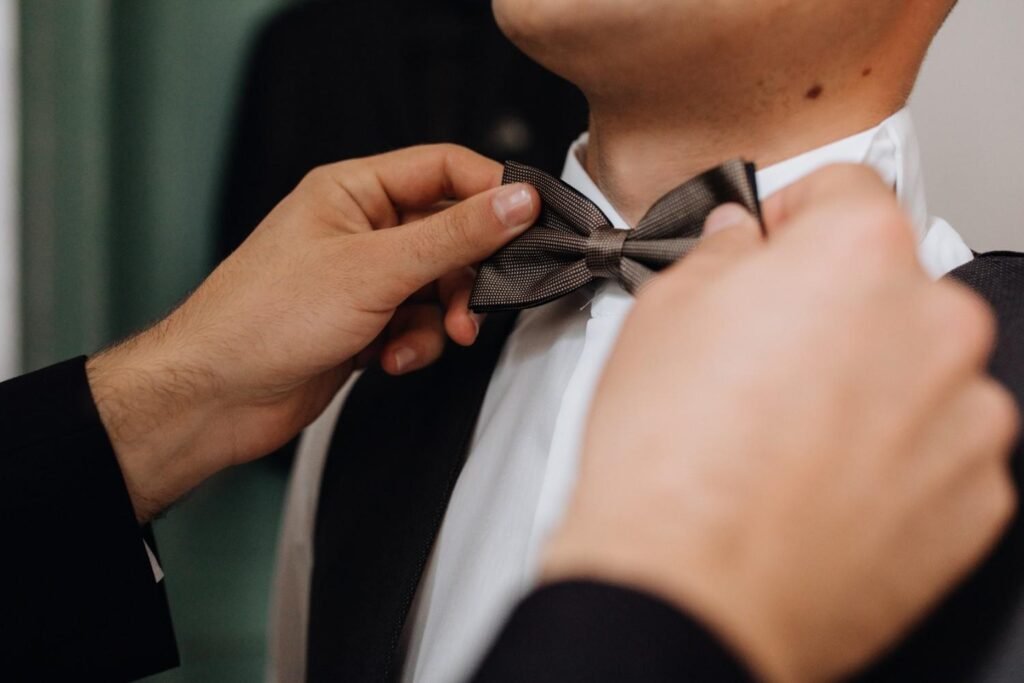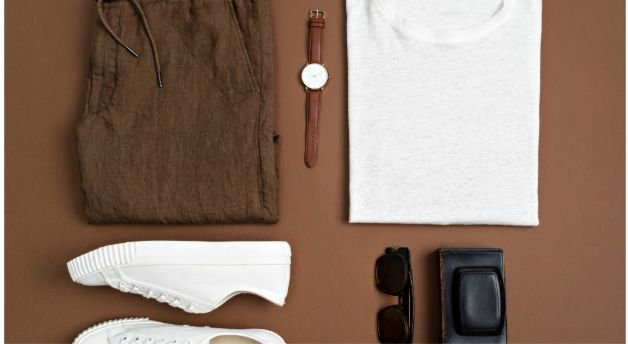


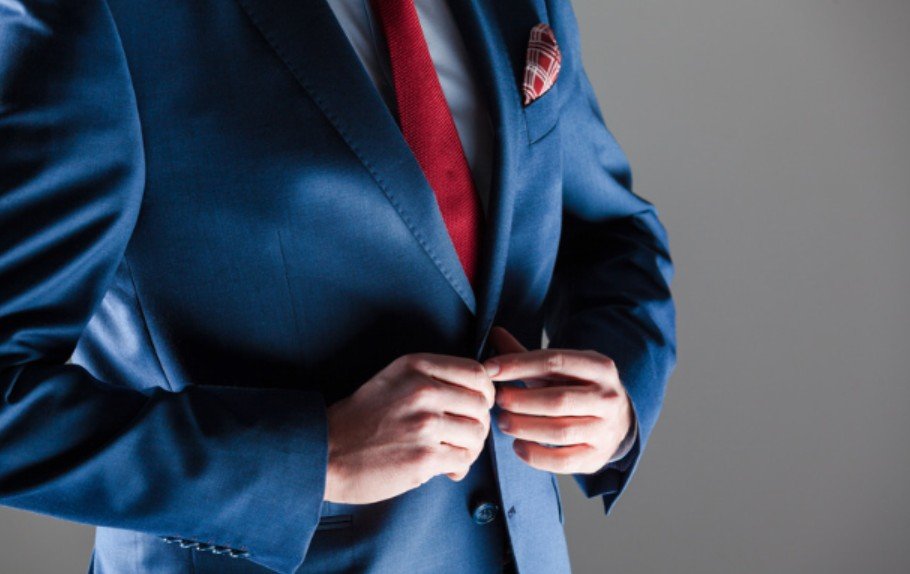


When I assemble business formal outfit ideas for men, I follow one rule: every element should communicate competence without demanding attention. A matching suit, pressed shirt, conservative tie, polished shoes, and restrained accessories help you look prepared whenever presentation matters.
What Counts as Business Formal Attire?
Business formal normally requires a matching navy, charcoal, or medium-gray suit, plus a white or light-colored shirt, conservative tie, dark socks, and leather Oxfords or Derbies.
The jacket and trousers should use the same fabric. Contrasting separates, sneakers, polo shirts, open collars, loud prints, and novelty accessories do not meet the strict dress code.
10 Polished Business Formal Combinations

1. Navy Suit, White Shirt, and Burgundy Tie
This combination suits interviews, leadership meetings, and presentations. Navy conveys authority, while burgundy adds controlled contrast.
For additional inspiration beyond business settings, these navy suit outfit ideas for men show how the same suit can be styled for weddings, formal events, and smart-casual occasions. Finish with black or dark-brown Oxfords. Finish with black or dark-brown Oxfords.
2. Charcoal Suit, Light-Blue Shirt, and Navy Tie
Charcoal looks serious, while a light-blue shirt softens it. A navy tie keeps the palette cohesive. Among the key shoe trends to know, black cap-toe Oxfords and dark-brown dress shoes remain the most reliable choices.
3. Medium-Gray Suit with a Deep Green Tie
A medium-gray suit works well for daytime meetings and warmer conditions. Pair it with a white shirt and dark green tie for restrained personality. Choose black or oxblood shoes and avoid overly bright green shades.
4. Navy Pinstripe Suit with a Solid Tie
A narrow pinstripe adds authority in conservative settings. Keep the shirt white or pale blue and select a solid burgundy, navy, or charcoal tie.
5. Three-Piece Charcoal Suit
A matching waistcoat adds structure for major presentations and ceremonies. Wear it with a white shirt, dark tie, black Oxfords, and minimal jewelry.
For evening functions or especially formal corporate events, these black suit combinations for formal events can provide additional shirt, tie, and accessory ideas while keeping the outfit appropriately refined.
Make sure the waistcoat covers the waistband of the trousers. Leave its bottom button undone to maintain a traditional, balanced appearance.
6. Navy Suit with a Pale-Pink Shirt
A muted pale-pink shirt adds variety without weakening formality. Pair it with a navy or burgundy tie and dark-brown shoes for client lunches or networking events.
7. Charcoal Suit with a Fine Striped Shirt
Choose a narrow blue-and-white stripe rather than a bold pattern. Add a solid navy tie, black shoes, dark socks, and a simple watch. The result feels distinctive but still disciplined.
8. Monochromatic Navy Look
Combine a dark-navy suit with a pale-blue shirt and deeper navy tie. The related shades create a clean, lengthening effect. Add black or dark-brown shoes and a neatly folded white pocket square.
9. Tropical-Wool Suit for Warm Weather
Choose a lightweight navy or medium-gray tropical-wool suit. It breathes better than heavy fabric while retaining a smooth appearance. Add a cotton shirt, silk tie, thin socks, and polished leather shoes.
Avoid substituting linen when strict formality is expected. Although breathable, linen wrinkles easily and creates a more relaxed appearance.
10. Flannel Suit and Overcoat for Cold Weather
A charcoal or navy flannel suit provides warmth and refined texture. Add a white shirt, dark tie, black Oxfords, and a tailored overcoat that covers the jacket. Keep scarves and gloves plain.
How a Business Suit Should Fit
The jacket shoulders should align naturally, without dents or overhang. Its collar should sit against the shirt collar, and the buttoned front should lie cleanly without forming a strong X.
About a quarter to half inch of shirt cuff should show. Trousers should sit securely at the waist and fall cleanly through the leg, with a slight break over the shoe. The shirt collar should allow roughly one finger of space.
Avoid choosing an extremely tight suit simply because it looks modern. A classic tailored fit offers clean lines while allowing enough room to sit, walk, and move comfortably.
Choosing Shirts, Ties, Shoes, and Accessories
White and light-blue shirts are the most versatile. Pale pink and fine stripes can expand th

e rotation later. Among the different types of shirt collars, point, spread, and semi-spread collars all work well when they remain structured beneath the jacket.
Choose silk ties in navy, burgundy, forest green, charcoal, or muted patterns. The tip should reach the waistband, and the width should complement the jacket lapels. Black Oxfords are the most formal choice, while dark-brown Oxfords or Derbies work with navy and many gray suits.
Keep accessories controlled. A simple watch, matching belt, plain cuff links, discreet tie bar, and folded pocket square are enough. Socks should be dark and long enough to cover the leg when seated.
A leather belt should closely match the shoes. Although the shades do not need to be identical, combining a black belt with brown footwear can make the outfit appear unplanned.
Common Mistakes to Avoid
Poor fit can damage even an expensive suit. Other mistakes include mismatched separates, too many patterns, transparent shirts, short ties, casual shoes, wrinkles, scuffed leather, excessive fragrance, and bulky sports watches.
The shirt, tie, and pocket square should complement one another rather than match exactly. Wearing the same fabric or pattern on the tie and pocket square can make the outfit look overly coordinated.
Grooming matters as much as clothing. Keep hair, facial hair, nails, and shoes neat so the entire presentation feels deliberate.
Frequently Asked Questions
1. What are the best business formal outfit ideas for men?
Start with a navy or charcoal suit, white or light-blue shirt, conservative silk tie, dark socks, and polished leather Oxfords.
2. Is a Tie Required for Business Formal Attire?
Yes. Traditional business formal dressing normally includes a tie. Removing it makes the outfit less formal, even when the suit and shirt look polished.
3. Can Brown Shoes Be Worn with a Business Suit?
Dark-brown shoes work with navy and medium-gray suits. Black remains the safest choice for charcoal suits and highly conservative occasions.
4. Can a Black Suit Be Worn to Work?
It can, but navy and charcoal are more versatile during the day. Black often feels more natural at evening events, ceremonies, or particularly formal functions.
Final Take
I believe the strongest formal wardrobe is built around dependable pieces, not dozens of trend-driven purchases. A navy suit, charcoal suit, crisp shirts, muted ties, and well-maintained leather shoes can cover nearly every important professional occasion.
I always prioritize fit, fabric, proportion, and maintenance before experimenting with color. When every garment fits properly and each detail feels intentional, the result looks confident rather than costume-like. Formal dressing works best when it helps you enter the room ready for the responsibility ahead.