


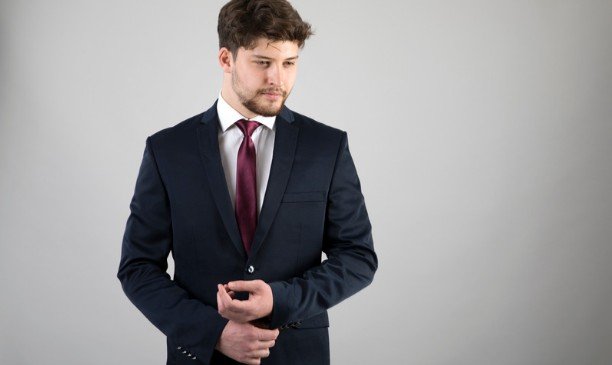
When I assess a suit, I never rely only on the size label or whether the buttons close. I examine the shoulders, collar, torso, sleeves, trousers, and movement. Understanding how should a men’s suit fit properly also means knowing which flaws a tailor can correct and which ones signal the wrong cut.
The Quick Answer
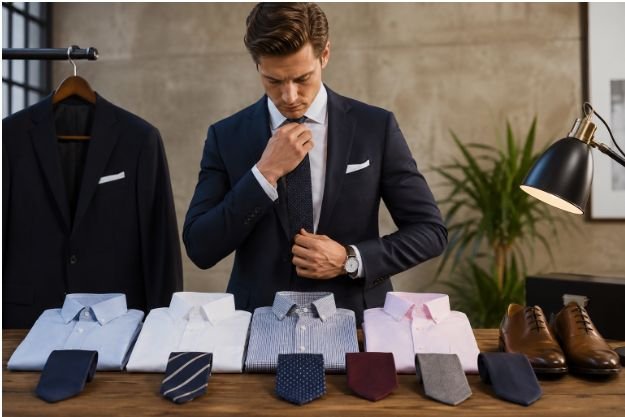
A suit should follow the body without squeezing it. The shoulders should meet the natural frame, the collar should rest against the shirt, and the lapels should lie flat. The jacket should close without pulling, cover the seat, and show about a quarter to half an inch of shirt cuff.
The trousers should stay at the waist, remain smooth through the seat and thighs, and meet the shoes without excessive stacking.
How Should a Suit Jacket Fit?
Collar, Back, and Shoulders
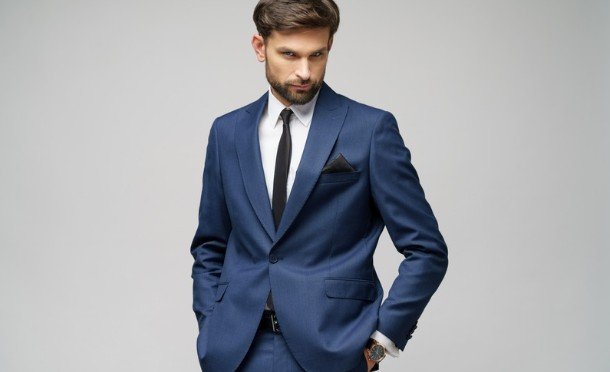
The jacket collar should sit close to the shirt, regardless of the different types of necklines worn underneath. A gap may result from shoulder sizing, posture, or poor jacket balance. Fabric rolling below the collar suggests excess material across the upper back.
Inspect the shoulders first because they are costly to rebuild. The seam should end at the natural shoulder. Overhang looks oversized, while a narrow shoulder can create pulling or sleeve-head divots. Major fit problems usually require choosing another cut.
Chest, Lapels, and Armholes
The chest should feel close without restricting breathing. The lapels must lie flat, and a flat hand should slide inside the buttoned jacket.
Armholes should permit movement without cutting into the underarm. Low armholes make the jacket rise when you lift your arms, while tight ones restrict motion.
Waist, Length, and Sleeves
A tailored waist creates shape without strain. An X-shaped crease spreading from the button means the chest or waist is too tight. Loose fabric may need waist suppression.
A timeless jacket covers the seat. A modern cut may be slightly shorter, but an extremely cropped jacket can distort proportion. Sleeves should end near the wrist bone and show a quarter to half an inch of shirt cuff. Twisting can signal incorrect sleeve pitch.
When learning how to choose a suit for your body type, button placement and proper fastening also matter. On a two-button jacket, fasten only the top button. On a three-button jacket, the middle button is essential, the top is optional, and the bottom should remain open.
Back and Vents
The back should appear smooth. Horizontal creases indicate tightness, while deep vertical folds suggest excess room. The vents should remain closed and fall straight. Open vents often signal tightness through the waist, hips, or seat.
How Should Suit Trousers Fit?
Waist, Rise, and Seat
The trousers should stay in position without a belt pulling them upward. Traditional styles sit higher than many modern cuts, but the rise should provide room without sagging.
The seat should stay smooth when sitting. Flared pockets, horizontal creases, and pulling across the hips indicate tightness. Folds below the seat suggest excess fabric.
Thighs, Taper, and Break
The thighs should follow the legs without clinging. Sit, walk, and climb a step before buying. Trousers that restrict movement do not fit correctly.
A wider leg trousers a slight or moderate break, while a narrow leg can support little or no break. Check the hem while wearing dress shoes.
Waistcoat and Double-Breasted Fit

A waistcoat should sit close without pulling and cover the shirt and trouser waistband. Its bottom button is traditionally left open.
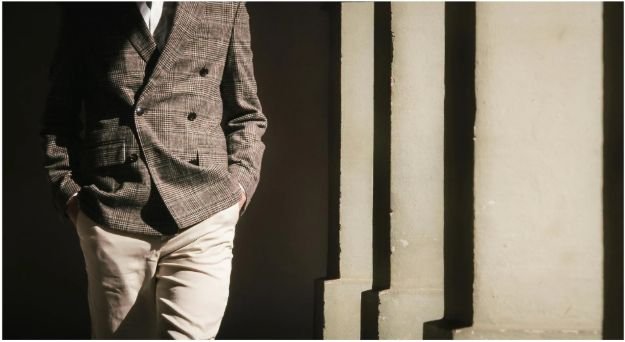
A double-breasted jacket should close comfortably while keeping the lapels flat and front panels balanced. Its shoulders, collar, sleeves, and length follow the same standards.
Signs a Suit Is Too Tight or Too Loose
To understand how should a men’s suit fit properly, read the fabric. An X-shaped button crease, bowed lapels, open vents, flared trouser pockets, and horizontal back wrinkles point to tightness.
Drooping shoulders, a collar gap, excess waist fabric, a sagging trouser seat, and stacking at the ankles suggest the suit is too loose or long. Slim fit should create a narrow silhouette without visible strain.
What Can a Tailor Fix?
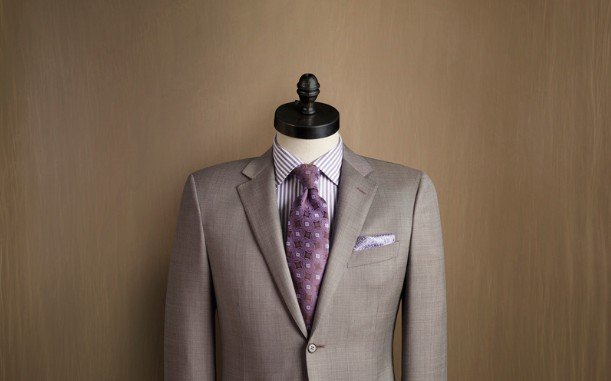
Sleeve length, trouser hems, moderate waist shaping, trouser tapering, and small waistband changes are common alterations. The seat and thighs may also be adjusted when enough fabric remains. When dressing for success will be right for you, focus first on a suit with a strong foundational fit.
Shoulder reconstruction, substantial jacket shortening, armhole changes, severe collar correction, and major balance adjustments can be costly or impractical. Buy for the shoulders, collar, chest, and overall length first.
The Five-Minute Fitting-Room Test
Inspect the buttoned jacket from every angle. Sit, walk, reach forward, and lift your arms. Watch for collar separation, open vents, bowed lapels, or pulling trousers.
Place your phone and wallet in the pockets because their weight affects the drape. Wear a dress shirt and suitable shoes to judge cuff exposure and trouser length.
Frequently Asked Questions
1. How should a men’s suit fit properly for an athletic build?
Choose enough room across the shoulders and chest, then tailor the waist for definition. Select trousers with space through the seat and thighs before narrowing the lower leg.
2. Should a suit jacket feel tight when buttoned?
No. It should feel secure but comfortable. The lapels should stay flat, the button should close without strain, and movement should feel natural.
3. Is No Trouser Break Acceptable?
Yes. It works best with a narrow trouser opening and a modern silhouette. A slight break remains the most versatile option.
4. Should I Size Up If a Slim-Fit Suit Feels Tight?
Yes, or try another cut. Slim fit describes the pattern, not an undersized garment. Pulling and restricted movement mean the suit does not fit.
Final Assessment
When I choose a suit, I begin with the structural areas a tailor cannot easily rebuild: shoulders, collar, chest, armholes, and jacket balance. I then check sleeve length, waist shape, trouser drape, and movement.
A strong fit is not about wearing the smallest possible size. It comes from balanced proportions, smooth fabric, comfortable movement, and precise alterations. When those details work together, the suit looks sharper, feels better, and remains useful across many occasions.