


Before I say a word in an interview, my outfit has already introduced me. A well-chosen tie can make that introduction feel confident, polished, and intentional—or distract from everything I want the hiring manager to notice. When choosing the best tie color for a job interview, I look beyond personal preference and consider the role, workplace culture, suit combination, and impression each shade may create.
Navy remains the safest choice for most US interviews, but burgundy, gray, green, and other carefully selected colors can help an outfit feel more distinctive without crossing into unprofessional territory.
What Is the Safest Tie Color for an Interview?
Navy blue is the most reliable option for almost any professional setting. Blue is commonly associated with calmness, stability, loyalty, and trust, making it suitable for team-oriented and client-facing roles. City Personnel and The Tie Bar both present blue as a professional, trustworthy choice.
Pair a navy tie with a charcoal suit and crisp white shirt for a classic corporate look. A light blue shirt creates a softer combination. With a navy suit, choose a different shade or texture so the outfit does not appear flat.
Which Tie Colors Make the Best First Impression?
Is Burgundy a Good Power Tie?

Burgundy, wine red, oxblood, and maroon deliver confidence without the intensity of bright red. This restrained power tie can suggest maturity, assertiveness, and polish. It works well for leadership, sales, finance, and consulting interviews.
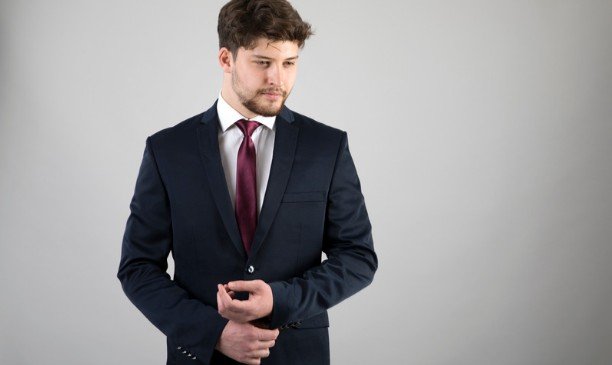
OTAA recommends conservative shades such as navy, burgundy, and gray for professional settings. A burgundy silk tie with a navy suit and white shirt creates a memorable but controlled look.
Is a Dark Gray or Silver Tie Professional?
Dark gray communicates neutrality, logic, organization, and efficiency. It is a strong choice for technology, engineering, analytics, accounting, and modern corporate roles.
Choose charcoal or medium gray rather than shiny silver. Matte silk or a lightly textured fabric looks more sophisticated and creates less glare under office lights or on camera.
Can You Wear a Muted Green Tie?
Hunter green, forest green, and deep olive add individuality while remaining grounded. They suggest growth and reassurance, making them suitable for education, healthcare, nonprofit, and creative roles.
Keep the shade dark. Lime and neon green can overwhelm an otherwise professional outfit.
When Does a Yellow or Gold Tie Work?
Yellow and gold can communicate optimism, warmth, and energy. Muted gold, mustard, or a softly patterned tie may work for marketing, media, advertising, and public relations.
Avoid vivid yellow in conservative law, banking, government, and traditional finance environments because it may look too playful.
Which Tie Colors Should You Approach Carefully?

Bright red is associated with power, ambition, and leadership, so it can work in management or sales. However, it may appear domineering or distracting during a first meeting. Burgundy provides similar confidence with more restraint.
Plain black can look severe, somber, or ceremonial. Unless black supports the image of a luxury, hospitality, or fashion employer, navy or burgundy is safer.
Orange, neon shades, novelty prints, political symbols, cartoon designs, and loud patterns can pull attention away from your qualifications.
What Tie Pattern and Material Look Most Professional?
A quality silk or silk-blend tie remains the safest material for a business-formal interview. Matte silk, grenadine, knit silk, and subtle textures add depth without excessive shine. Avoid glossy polyester that reflects light and may look unusually bright on camera.
Keep patterns minimal. Solid colors, tiny dots, diagonal micro-stripes, and restrained geometric designs work well. Indeed advises candidates to avoid novelty or overly busy ties and favor solid or simple patterns.
The tie should reach the belt buckle, and its width should roughly match the jacket lapels. A four-in-hand or half-Windsor knot works for most American interview outfits.
What Tie Color Works for Different Industries?
Finance, banking, law, government, insurance, and executive interviews usually call for navy, burgundy, dark gray, or a conservative stripe. Technology and engineering workplaces vary, but navy, gray, or muted blue works when formal clothing is expected.
Sales candidates can consider burgundy or dark red, while creative applicants have more freedom with muted green, textured blue, or subdued gold. Review the company website before deciding.
Do You Need to Wear a Tie to Every US Job Interview?
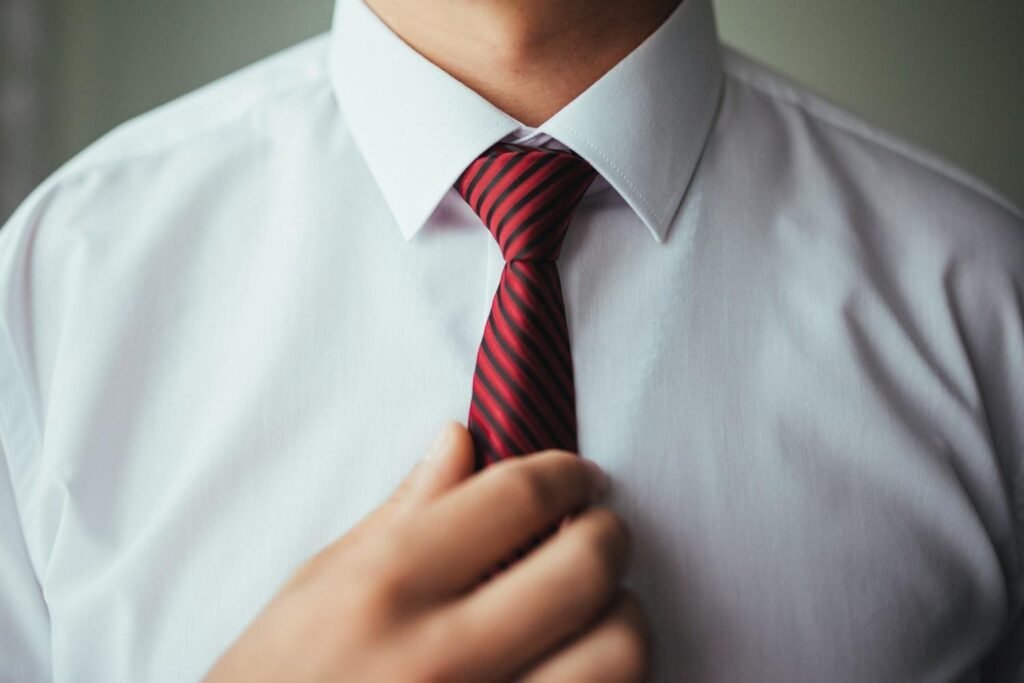
Indeed distinguishes between business-casual workplaces, where ties may be optional, and business-formal workplaces, where a tie remains appropriate. Conservative firms in law, finance, consulting, government, and senior leadership are more likely to expect one.
For especially formal or creative occasions, learning how to tie a bow tie step by step can also help you prepare a polished alternative to the standard necktie.
When uncertain, I prefer to dress slightly more formally or ask the recruiter about the dress code.
What Is the Best Tie for a Video Interview?
Choose a matte navy, burgundy, gray, or medium-blue tie. Avoid tiny patterns that may distort on Zoom and glossy fabrics that create glare.
Frequently Asked Questions (FAQs)
1. What is the best tie color for a job interview?
Navy blue is the strongest all-around choice because it looks calm, trustworthy, versatile, and professional. Burgundy and dark gray are the safest alternatives.
2. Is a Blue or Red Tie Better for an Interview?
Blue is safer for most candidates. Dark red or burgundy can work for leadership and sales, but bright red may dominate the outfit.
3. Can I Wear a Patterned Tie to an Interview?
Yes. Choose tiny dots, micro-stripes, or another restrained pattern. Avoid novelty designs, oversized prints, and sharp color contrasts.
4. What Is the Safest Interview Outfit Combination?
The foolproof uniform is a navy or burgundy tie, a charcoal or navy suit, and a well-ironed white or light blue shirt. Complete it with polished leather shoes and careful grooming.
Final Takeaway
When I need one dependable answer, I choose navy blue. Burgundy offers mature confidence, gray looks precise, and muted green adds controlled personality. Gold can work in creative industries, while bright red, black, orange, and neon shades require more caution.
A tie should complement the employer’s culture and keep attention on the conversation. Choose a conservative color, subtle pattern, and quality matte material, then make sure the fit and knot look clean. That combination will help you enter the interview looking prepared and professionally aware.