
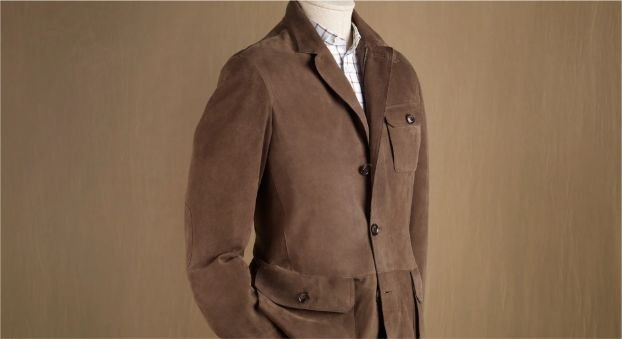
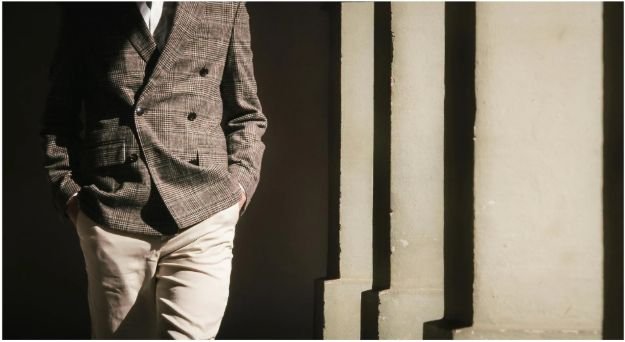
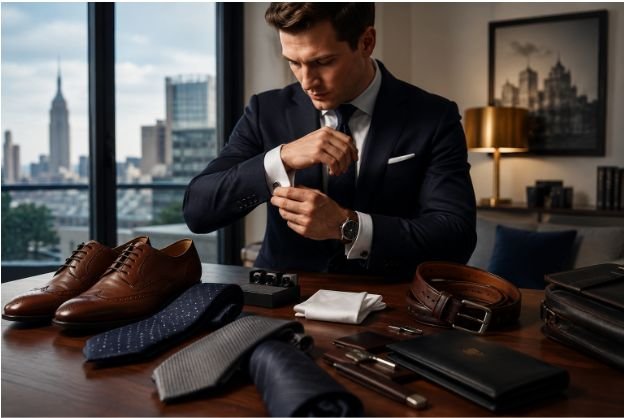


I have learned that people rarely notice a suit’s price first. They notice clean shoulders, proper trouser length, a crisp shirt, and polished shoes. Once I understood how to make a cheap suit look expensive, I stopped chasing labels and focused on fit, fabric, and finishing details. A few upgrades can make an affordable suit look refined.
Start With a Suit That Can Be Improved
Before paying for alterations, inspect the foundation. Learning how to choose a suit for your body type can help you select a cut that works with your proportions before tailoring begins.
The shoulder seams should end near your natural shoulder line, the collar should rest against your neck, and the jacket should cover most of your seat.
Minor problems can be corrected, but major shoulder work is costly. A jacket that is too short cannot realistically be lengthened, while severe chest pulling usually means the cut is wrong. Replacing a poor fit is wiser than rebuilding it.
Choose navy, charcoal, or medium grey. These shades conceal inexpensive construction better than bright colours, loud checks, or shiny black fabric. Understanding what is with the two button rule also helps: a classic two-button jacket with moderate lapels will outlast an extreme trend.
Make Fit Your First Upgrade
Fit creates more impact than branding. Understanding how should a men’s suit fit properly can help you identify whether the shoulders, sleeves, jacket waist, and trousers need adjustment before spending money on cosmetic upgrades.
Even a costly suit can look careless when the sleeves cover the hands or the trousers gather around the shoes.
Correct the Jacket Sleeves and Waist
The jacket sleeve should reveal a small amount of shirt cuff. Ask a tailor to shorten long sleeves and create a clean taper without restricting movement.
A modest waist adjustment can improve the silhouette. The jacket should follow your torso without becoming tight or forming an X-shaped pull around the button.
Improve the Trouser Line
Trousers should sit securely and fall smoothly through the seat and thigh. Hemming excess fabric is one of the simplest upgrades. A slight break or clean no-break finish can work, depending on the cut and your proportions.
A gentle taper may create a neater line, but avoid trousers that cling to the calves.
Choose Fabric That Does Not Advertise Its Price
A harsh shine signals inexpensive fabric. Look for a matte surface and material that drapes naturally. Wool and wool-rich blends often hold their shape well, although a subtle, well-fitted blend can still look polished. Learning the best way to die clothes may help with colour restoration, but it cannot improve poor-quality fabric or construction.
Avoid fabric that feels paper-thin, rustles loudly, or reflects too much light. Check the jacket front for bubbles or ripples caused by separating fused layers. Wrinkles can be steamed, but bubbling is usually permanent.
Replace Cheap-Looking Details
Glossy plastic buttons can expose a suit’s price quickly. Replacing them with matte horn, corozo, shell, or quality imitation horn buttons can make the jacket look more considered. Keep the colour close to the suit.
Remove tack stitching from the vents and pockets. Cut away loose threads and remove any label sewn onto the sleeve. These corrections make the garment look finished.
Build the Outfit Around Quality Basics

A crisp white or pale blue shirt gives the suit a strong foundation. The collar should sit comfortably, and the sleeves should appear slightly beneath the jacket. Smooth cotton usually looks more polished than thin, glossy shirting.
Choose restrained accessories. A solid, striped, or subtly patterned tie works better than a shiny novelty design. A pocket square can add interest, but it should complement rather than exactly match the tie.
Tonal dressing creates a cohesive effect. A navy suit, light blue shirt, and dark blue tie keep the colour story controlled.
Let Polished Shoes Elevate the Suit
Choose clean leather Oxfords, Derbies, loafers, or restrained brogues in black or brown. Remove scuffs, polish the leather, and replace worn laces.
Coordinate the belt with the shoes without demanding a perfect match. Avoid peeling synthetic material, oversized buckles, and exaggerated toe shapes. Simple, maintained shoes look more sophisticated than flashy footwear in poor condition.
Care for the Suit Like It Cost More
After wearing the suit, empty the pockets, brush away lint, and place the jacket on a broad hanger. Following practical tips for storing every garment, allow it to air before placing it in a breathable garment bag.
Use steam to release wrinkles instead of pressing the fabric aggressively. Dry clean only when necessary, since excessive cleaning can wear down the material.
Know Which Alterations Are Worth the Money

Learning how to make a cheap suit look expensive also requires knowing when to stop spending. Hemming trousers, refining sleeve length, adjusting the jacket waist, and replacing buttons usually offer noticeable value.
Rebuilding shoulders, changing jacket length, or fixing severe balance problems may cost more than the suit is worth. A better-fitting second-hand suit can be smarter. Inspect the shoulders, fabric condition, lapels, and previous alterations before buying.
Frequently Asked Questions
1. Can people tell that a suit is cheap?
Most people notice poor fit, shiny fabric, wrinkles, loose threads, and neglected shoes before the brand or original price.
2. What alteration makes the biggest difference?
Correcting trouser length and jacket sleeve length usually creates the fastest improvement, provided the shoulders already fit.
3. How to make a cheap suit look expensive for a formal event?
Choose a dark neutral colour, refine the fit, wear a crisp shirt, keep accessories restrained, and finish with polished leather shoes.
4. Can a polyester suit still look good?
Yes. A matte polyester blend can look polished when it fits properly, drapes cleanly, and is paired with quality basics.
The Final Fit Check
I no longer judge a suit only by its label or cost. I examine the shoulders, sleeves, trouser line, fabric finish, buttons, shirt, shoes, and condition. Those details decide whether the outfit feels careless or composed.
For me, the smartest method is to begin with a workable foundation, invest in high-impact alterations, and keep each styling choice controlled. When the fit is balanced and the garment is well maintained, an affordable suit can look confident and far more expensive than its price suggests.