



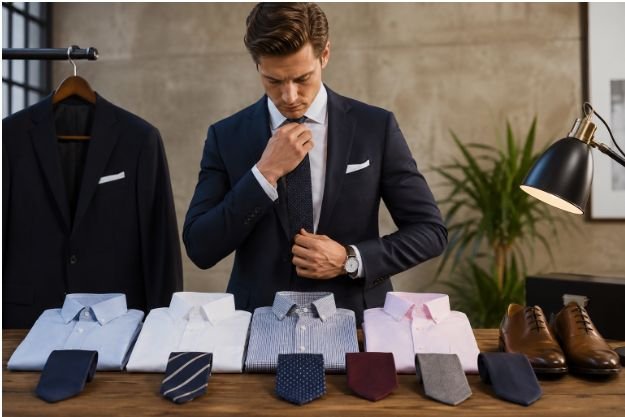
A necktie might seem like a small accessory, but it’s often the first detail people notice. The right tie can sharpen a business outfit, elevate a wedding suit, or add personality to an otherwise simple look. On the other hand, a poor combination can make even an expensive suit feel mismatched. That’s why learning how to style a necktie isn’t about following rigid fashion rules—it’s about understanding how colors, patterns, and proportions work together.
The good news is that you don’t need a closet full of designer ties to look polished. Once you know a few styling principles, putting together a balanced outfit becomes much easier. Whether you’re dressing for the office, a formal event, or a dinner date, choosing the right shirt and suit combination helps your necktie stand out for the right reasons.
Start With Three Simple Styling Rules

Every great tie combination follows three basic ideas: contrast, coordination, and proportion.
Contrast means your tie should generally be darker than your shirt so it naturally becomes the focal point. Coordination is about choosing colors that complement each other rather than trying to match everything perfectly. Finally, proportion matters when mixing patterns. If your shirt has fine stripes or small checks, pair it with a tie that features larger patterns or keep the tie solid. Different pattern sizes create balance instead of visual clutter.
These simple rules work across nearly every dress code and eliminate most common styling mistakes.
Pairing Neckties With Different Shirt Colors
The shirt sets the foundation for your entire outfit, so it’s always the best place to begin.
A crisp white shirt offers the most flexibility. Nearly every tie color works well, including navy, burgundy, forest green, charcoal, and deep purple. White creates clean contrast, making it suitable for business meetings, interviews, and formal occasions.
Light blue shirts feel slightly more relaxed while remaining professional. They pair especially well with textured navy ties, brown grenadine silk, burgundy, or classic striped designs. These combinations create enough contrast without looking overly formal.
Patterned shirts require a little more attention. If you’re wearing stripes or checks, choose a solid or subtly textured tie to keep the outfit balanced. When you do combine patterns, vary their size so they complement rather than compete with one another.
Matching Ties With Popular Suit Colors

Suit color influences every other accessory, making it one of the biggest factors when learning how to style a necktie.
Navy Suits
A navy suit is one of the easiest pieces to style because it works across business, weddings, and evening events. With a white shirt, classic choices like burgundy, dark green, navy, and silver ties always look refined. Pairing a light blue shirt with a textured brown or navy tie adds depth without overwhelming the outfit.
Charcoal and Gray Suits
Gray suits provide a neutral backdrop that allows tie colors to stand out naturally. A charcoal suit paired with a white shirt looks sharp with burgundy, black, or deep plum ties. Lighter gray suits also work well with navy, dark green, and subtle patterned ties that introduce personality while remaining professional.
Black Suits
Black suits are best reserved for formal occasions, evening events, or ceremonies. Keeping the combination simple usually produces the strongest result. A white shirt paired with a black, silver, or dark burgundy tie creates a timeless appearance that never feels outdated.
Mixing Colors and Patterns Without Clashing
Many people avoid patterned ties because they worry about getting the combination wrong. In reality, pattern mixing becomes much easier once you understand visual balance.
A solid tie with a patterned shirt is the safest option and works in almost every situation. If you’re wearing a plain shirt, however, the tie becomes the perfect place to introduce stripes, paisley, geometric designs, or subtle floral patterns.
When combining two patterns, avoid using similar sizes. Narrow-striped shirts pair better with wider-striped or geometric ties because the contrast keeps each pattern distinct. This simple adjustment creates a polished outfit instead of one that feels busy.
Choose Tie Fabrics That Match the Season

Fabric affects both comfort and appearance just as much as color.
During warmer months, lightweight materials such as linen, cotton, and grenadine silk feel breathable while complementing lighter suits. In cooler weather, wool, cashmere, and heavier woven silk ties add texture that pairs naturally with seasonal fabrics.
Matching the weight of your tie to the weight of your suit creates a balanced look that’s often overlooked but immediately noticeable.
The Finishing Details That Pull Everything Together
A well-styled necktie works best when the rest of your accessories support it instead of competing for attention. A tie bar should sit between the third and fourth shirt buttons and never extend wider than the tie itself. Pocket squares don’t need to match your tie exactly—in fact, complementary colors often create a more refined look. Finish the outfit with a belt and dress shoes in matching leather tones for a polished appearance.
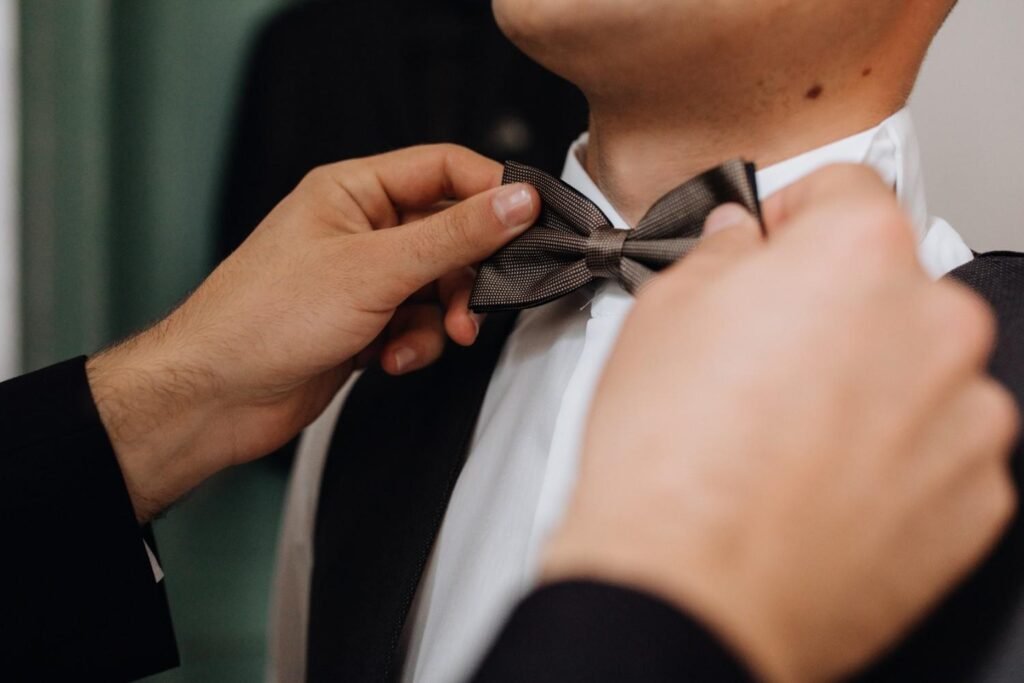
The knot also makes a noticeable difference. Slim ties usually pair well with smaller knots, while wider ties often suit fuller knots. If you’re still building confidence, learning how to tie a windsor knot for beginners is a practical place to start because it creates a balanced, symmetrical shape that works well with most spread-collar shirts.
Common Necktie Styling Mistakes to Avoid

Even a quality tie can look out of place if a few basics are overlooked.
- Wearing a tie that’s lighter than the shirt, creating little contrast.
- Matching every accessory exactly instead of coordinating complementary colors.
- Mixing shirt and tie patterns of the same size.
- Choosing a tie that’s too wide or too narrow for the lapel width.
- Ignoring seasonal fabrics by wearing heavy wool ties with lightweight summer suits.
Avoiding these mistakes makes styling easier and helps every outfit feel intentional.
FAQs: How to Style a Necktie With Different Shirt and Suit Combinations
What color tie works with most suits?
Navy, burgundy, and dark green are versatile choices. They pair well with white and light blue shirts while complementing navy, gray, and charcoal suits.
Can I wear a patterned tie with a patterned shirt?
Yes. Choose patterns in different sizes. A fine-striped shirt works best with a larger striped or geometric tie to create visual balance.
Should my tie match my pocket square?
No. They should coordinate instead of matching exactly. Using complementary colors creates a more modern and stylish appearance.
How long should a necktie be?
The tip of your tie should lightly touch the top of your belt buckle. This proportion works well for both business and formal occasions.
Style Comes Down to Confidence and Balance
Learning how to style a necktie isn’t about memorizing dozens of fashion rules. Once you understand color coordination, pattern proportion, fabric choice, and proper fit, putting together a polished outfit becomes second nature. Small details often make the biggest difference, turning a simple shirt and suit into a look that feels thoughtful, confident, and appropriate for any occasion.
The best-dressed people rarely wear the loudest outfits—they simply know how to make every piece work together.